

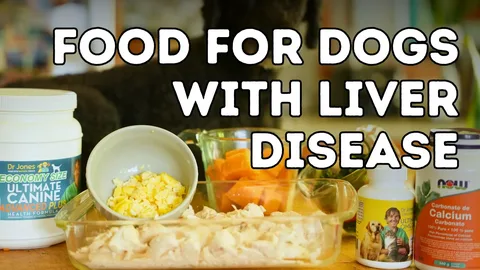
If your veterinarian has diagnosed your dog with liver problems, changing the diet becomes one of the most important steps in recovery. Homemade dog food for liver disease can help support healing, reduce stress on the liver, and improve your dog’s quality of life. In the United States, many pet owners are now choosing fresh, home-prepared meals to better control ingredients and avoid additives found in some commercial foods.
This guide explains how liver disease affects dogs, what nutrients are important, and how to safely prepare balanced homemade meals in the USA.
Understanding Liver Disease in Dogs
The liver is one of the most vital organs in your dog’s body. It filters toxins, stores nutrients, produces bile for digestion, and supports the immune system. When the liver becomes damaged due to infection, toxins, genetics, or age, it cannot function properly.
Common signs of liver disease in dogs include:
- Loss of appetite
- Vomiting or diarrhea
- Weight loss
- Yellow tint in eyes or gums (jaundice)
- Increased thirst and urination
- Lethargy
Conditions such as chronic hepatitis, copper storage disease, and liver shunts may require long-term dietary management. That is where homemade dog food for liver disease can make a real difference.
Why Diet Matters for Liver Disease
The liver processes everything your dog eats. If the food is too high in certain nutrients or contains artificial preservatives, it can increase liver stress.
A liver-support diet should:
- Reduce toxin buildup
- Provide moderate, high-quality protein
- Limit copper
- Include easy-to-digest carbohydrates
- Add antioxidants and vitamins
In the USA, many commercial liver-support diets are available, but some pet owners prefer homemade options for better ingredient control and transparency.

Key Nutrients in Homemade Dog Food for Liver Disease
1. Moderate, High-Quality Protein
Dogs still need protein, but too much can produce excess ammonia, which stresses the liver. Choose lean, easily digestible proteins such as:
- Skinless chicken breast
- Turkey
- Egg whites
- White fish
Avoid organ meats (especially liver) because they are high in copper.
2. Low Copper Content
Copper can build up in dogs with certain liver conditions. Foods higher in copper include:
- Beef liver
- Lamb
- Shellfish
Instead, use chicken, turkey, or eggs, which are generally lower in copper.
3. Digestible Carbohydrates
Carbohydrates provide energy without overwhelming the liver. Good options include:
- White rice
- Oatmeal
- Sweet potatoes
- Pumpkin
These ingredients are easy on the digestive system and help maintain energy levels.
4. Healthy Fats (In Moderation)
Healthy fats provide calories without excess protein. Add small amounts of:
- Fish oil (rich in omega-3 fatty acids)
- Flaxseed oil
Omega-3s help reduce inflammation and support liver health.
5. Vitamins and Antioxidants
Dogs with liver disease often need extra vitamins, especially:
- Vitamin E
- Vitamin C
- B-complex vitamins
- Zinc
Always consult a licensed U.S. veterinarian before adding supplements.
Simple Homemade Dog Food Recipe for Liver Disease
Important: This is a basic example. Always consult your veterinarian or a board-certified veterinary nutritionist in the United States before long-term feeding.
Ingredients:
- 1 cup cooked white rice
- ½ cup boiled skinless chicken breast (chopped)
- ¼ cup cooked sweet potato
- 1 tablespoon plain pumpkin puree
- 1 teaspoon fish oil (vet-approved dose)
Instructions:
- Cook chicken thoroughly without seasoning.
- Boil rice until soft and easy to digest.
- Steam or boil sweet potatoes.
- Mix all ingredients together.
- Allow to cool before serving.
Divide into appropriate portions based on your dog’s size and weight.
Feeding Tips for Dogs with Liver Disease
- Feed smaller meals 3–4 times daily instead of one large meal.
- Keep fresh water available at all times.
- Avoid treats high in protein or copper.
- Monitor weight weekly.
- Schedule regular blood tests with your veterinarian.
Consistency is key. Sudden diet changes can upset digestion, so transition slowly over 5–7 days.
Common Mistakes to Avoid
Many dog owners in the USA unintentionally make mistakes when preparing homemade dog food for liver disease.
Avoid these errors:
- Feeding raw meat (can introduce harmful bacteria)
- Using garlic or onions (toxic to dogs)
- Adding salt or seasoning
- Ignoring portion control
- Skipping professional nutritional guidance
Homemade diets must be balanced. Over time, nutritional deficiencies can develop if not properly formulated.
When to Consider a Veterinary Nutritionist
If your dog has advanced liver disease, hepatic encephalopathy, or severe weight loss, a customized diet plan is essential. A board-certified veterinary nutritionist can design a balanced homemade recipe specific to your dog’s bloodwork and medical condition.
In the USA, you can ask your primary veterinarian for a referral or search through the American College of Veterinary Nutrition directory.
Store-Bought vs. Homemade: What’s Better?
Both options can work if properly managed.
Homemade food advantages:
- Full control over ingredients
- No artificial preservatives
- Customizable recipes
Commercial liver-support diets advantages:
- Scientifically formulated
- Convenient
- Nutritionally balanced
The best choice depends on your dog’s condition, your budget, and your time availability.
Monitoring Progress
After switching to homemade dog food for liver disease, watch for:
- Improved appetite
- Increased energy
- Better coat quality
- Stable weight
Regular blood tests every few months will confirm whether liver enzyme levels are improving.
Final Thoughts
Managing liver disease in dogs requires patience, care, and the right nutrition plan. Homemade dog food for liver disease can be a safe and supportive option when prepared correctly and approved by a U.S. veterinarian.
Focus on lean proteins, low copper ingredients, digestible carbohydrates, and proper supplementation. Most importantly, never guess when it comes to your dog’s health. Professional guidance ensures your homemade meals are both safe and effective.
With the right diet and regular veterinary care, many dogs with liver disease can live happy, comfortable lives for years.

World Dog Care offers simple dog care tips, healthy food guides, training advice, and trusted information for happy pets.