

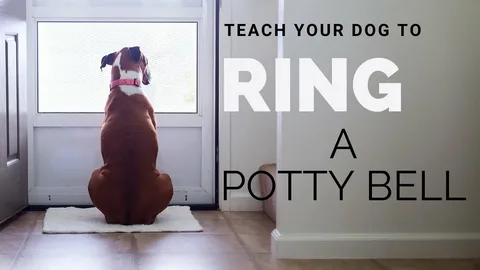
Potty training a puppy can be one of the biggest challenges for new dog owners. Many people struggle because puppies cannot clearly tell their owners when they need to go outside. As a result, accidents happen inside the house, which creates frustration for both the owner and the puppy. One simple and effective solution to this problem is bell potty training.
Teaching your puppy to ring a bell when it needs to go outside helps improve communication between you and your dog. It reduces indoor accidents and builds a consistent bathroom routine. With patience and the right method, most puppies can learn this behavior within a few weeks.
This guide explains how to train a puppy to use a bell for potty training in simple steps while solving common problems that many dog owners face.
Why Bell Potty Training Works
Puppies cannot speak, so they rely on signals to communicate their needs. Some dogs scratch the door, bark, or walk in circles when they need to go outside. However, these signals are often easy to miss.
A bell gives your puppy a clear and consistent way to ask for a bathroom break. Every time the puppy touches or rings the bell, the owner knows it is time to go outside.
Benefits of bell training include:
- Fewer accidents inside the house
- Clear communication between dog and owner
- Faster potty training progress
- Less stress for new dog owners
Many trainers recommend this method because it is simple and easy for puppies to understand.
Common Problems Dog Owners Face During Potty Training
Before starting bell training, it is helpful to understand the problems most owners experience.
1. Puppies Cannot Communicate Clearly
Many puppies stand quietly by the door when they need to go out. If the owner does not notice, the puppy may eventually have an accident inside.
2. Inconsistent Potty Schedule
Some owners take their puppy outside at random times. Without a routine, the puppy becomes confused about when and where it should go.
3. Punishing the Puppy for Accidents
Punishing a puppy after an accident can make it afraid of going to the bathroom in front of the owner. This often makes training slower.
4. Owner Misses the Puppy’s Signals
Sometimes puppies give signals like sniffing the floor, pacing, or circling. If these signs are missed, accidents happen.
Bell training helps solve these problems by creating a clear signal that both the puppy and owner understand.
What You Need for Bell Potty Training
The good news is that bell training requires only a few simple items.
You will need:
- A potty training bell or small hanging door bell
- Dog treats for rewards
- Patience and consistency
The bell should hang on or near the door your puppy uses to go outside. It should be low enough for the puppy to touch with its nose or paw.
Step-by-Step Guide to Train a Puppy to Use a Bell
Step 1: Introduce the Bell
Start by letting your puppy become familiar with the bell.
Hold the bell near your puppy and encourage it to touch the bell using its nose or paw. The moment the bell rings, reward your puppy with praise and a small treat.
Repeat this exercise several times so the puppy learns that touching the bell leads to a reward.
Training sessions should be short and positive.
Step 2: Place the Bell Near the Door
Once the puppy understands the bell, hang it on the door you use for potty breaks.
Every time you take your puppy outside, guide its nose or paw to ring the bell first. When the bell rings, immediately open the door and go outside.
This helps the puppy learn an important rule:
Ring the bell = door opens = time to go outside.
Step 3: Create a Consistent Routine
Consistency is very important for successful potty training.
Take your puppy outside at regular times such as:
- After waking up
- After eating or drinking
- After playing
- Before bedtime
Each time, encourage the puppy to ring the bell before the door opens. Soon the puppy will start ringing the bell on its own.
Step 4: Reward the Correct Behavior
Positive reinforcement is the key to successful dog training.
Whenever your puppy rings the bell and goes outside to potty, give:
- Praise
- A small treat
- Affection
This helps your puppy understand that ringing the bell and going outside is the correct behavior.
Step 5: Be Patient and Consistent
Puppies learn at different speeds. Some understand bell training in a few days, while others may take a few weeks.
Avoid getting frustrated. Stay calm and consistent. Your puppy is learning a new skill, and patience will help the training succeed.
Signs Your Puppy Needs to Go Outside
Even with bell training, you should still watch for signs that your puppy needs to use the bathroom.
Common signals include:
- Sniffing the floor
- Walking in circles
- Going to a corner
- Whining or pacing
If you notice these signs, guide your puppy to the bell and encourage it to ring it before going outside.
Common Bell Training Mistakes
Many dog owners make small mistakes that slow down training progress. Avoiding these mistakes will help your puppy learn faster.
Opening the Door Without the Bell
If your puppy goes outside without ringing the bell first, it will not learn the connection between the bell and the door.
Always try to encourage the bell before opening the door.
Ignoring the Bell
If your puppy rings the bell and you ignore it, the puppy may stop using it. Respond quickly whenever the bell rings.
Too Many Treats
Rewards are important, but giving too many treats can make your puppy ring the bell just to get food.
Gradually replace treats with praise as the puppy learns the behavior.
Inconsistent Training
If some family members follow the rules but others do not, the puppy becomes confused.
Everyone in the household should follow the same training method.

What to Do If Your Puppy Rings the Bell Too Much
Some smart puppies learn that ringing the bell opens the door and start ringing it just to play outside.
If this happens:
- Take the puppy outside on a leash
- Give it a few minutes to potty
- If it does not go, bring it back inside
This teaches the puppy that bell ringing is only for bathroom breaks, not playtime.
How Long Does Bell Potty Training Take?
Most puppies begin to understand bell training within two to four weeks.
However, the exact time depends on:
- The puppy’s age
- The breed
- Training consistency
- Owner patience
Younger puppies may need more time because their bladder control is still developing.
Tips for Successful Puppy Potty Training
Here are some helpful tips to make bell training easier and more effective.
Keep Training Positive
Always reward good behavior and avoid punishment.
Use the Same Door
Using the same door every time helps your puppy understand where the bell signal applies.
Watch Your Puppy Closely
Supervision helps prevent accidents and allows you to guide the puppy to the bell when needed.
Clean Accidents Properly
Use pet-safe cleaners to remove odors so your puppy does not return to the same spot.
Benefits of Teaching Your Puppy to Use a Bell
Bell training offers several long-term benefits for dog owners.
- Better communication between dog and owner
- Faster house training progress
- Reduced stress and frustration
- Fewer indoor accidents
- A more confident and well-trained dog
Many dog trainers consider bell potty training one of the easiest and most effective methods for teaching puppies bathroom habits.
Final Thoughts
Training a puppy to use a bell for potty breaks is a simple and practical solution for many dog owners. It allows puppies to clearly communicate when they need to go outside and helps prevent accidents inside the house.
The key to success is consistency, patience, and positive reinforcement. By following a clear routine and rewarding good behavior, most puppies quickly learn to ring the bell when they need a bathroom break.
Remember that every puppy learns at a different pace. With time and practice, your puppy will understand how to use the bell and develop good potty habits that last for life.

World Dog Care offers simple dog care tips, healthy food guides, training advice, and trusted information for happy pets.