

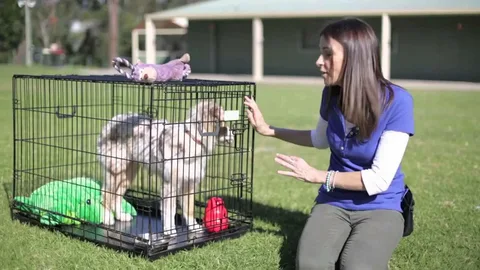
Kennel training a puppy during the day is one of the best ways to teach your dog discipline, safety, and comfort. Many new puppy owners worry that using a kennel or crate might make their puppy feel lonely or stressed. In reality, when done correctly, kennel training helps puppies feel secure and relaxed. It also protects your home from damage and supports healthy routines.
In this guide, you will learn simple and effective steps to kennel train your puppy during the day. These tips are easy to follow and work for most dog breeds.
What is Kennel Training?
Kennel training means teaching your puppy to stay calmly inside a crate or kennel for short periods. Dogs naturally like small and safe spaces because they feel protected there. A kennel becomes your puppy’s personal resting area where they can relax, sleep, or stay when you are busy.
Daytime kennel training is especially helpful for puppies because it prevents accidents in the house and teaches them to stay calm when left alone.
Benefits of Kennel Training a Puppy During the Day
Many dog owners use kennels because they provide several benefits for both the puppy and the owner.
1. Creates a Safe Space
A kennel gives your puppy a comfortable place where they feel secure. It becomes their personal area for rest.
2. Helps with Potty Training
Puppies usually avoid going to the bathroom where they sleep. This helps them learn bladder control and improves house training.
3. Prevents Destructive Behavior
Young puppies love to chew shoes, furniture, and other items. A kennel keeps them safe and prevents damage when you are not watching them.
4. Builds Routine and Discipline
Kennel training teaches puppies to follow a daily schedule for sleeping, eating, and playing.
When Should You Start Kennel Training?
The best time to start kennel training is when your puppy first arrives home. Puppies between 8 and 12 weeks old learn quickly and adapt well to new routines.
Starting early helps the puppy understand that the kennel is a normal and safe part of their daily life.
Choosing the Right Kennel for Your Puppy
Before training begins, selecting the right kennel is very important.
Size Matters
The kennel should be large enough for your puppy to:
- Stand comfortably
- Turn around easily
- Lie down without restriction
However, it should not be too big because puppies may use one side as a bathroom.
Comfortable Bedding
Place soft bedding or a blanket inside the kennel so the puppy feels comfortable and relaxed.
Good Ventilation
Choose a kennel with enough airflow to keep your puppy cool and comfortable during the day.
Step-by-Step Guide to Kennel Training During the Day
Training a puppy requires patience and consistency. Follow these simple steps to help your puppy accept the kennel happily.
Step 1: Introduce the Kennel Slowly
Place the kennel in a quiet area of your home where the puppy can still see people. Leave the door open and allow the puppy to explore it freely.
You can place a toy or treat inside the kennel to encourage your puppy to go inside on their own.
The goal is to make the kennel feel like a safe and welcoming place.
Step 2: Use Positive Reinforcement
Whenever your puppy enters the kennel, praise them with a calm voice and give a small treat.
Positive experiences help your puppy associate the kennel with comfort and rewards.
Avoid forcing your puppy into the kennel because this can create fear and anxiety.
Step 3: Start with Short Periods
Begin with short kennel sessions during the day.
For example:
- 10 to 15 minutes at first
- Gradually increase the time
Stay nearby during the first few sessions so your puppy feels safe.
Step 4: Create a Daily Routine
Puppies learn faster when they follow a consistent schedule.
A simple daytime routine may look like this:
- Morning walk or playtime
- Meal time
- Short kennel rest
- Potty break
- Playtime or training
Repeating this routine every day helps the puppy understand when it is time to rest.
Step 5: Add Comfort Items
Place familiar items inside the kennel such as:
- A favorite toy
- A soft blanket
- A safe chew toy
These items help your puppy feel calm and reduce boredom while inside the kennel.
How Long Can a Puppy Stay in a Kennel During the Day?
Puppies cannot stay in a kennel for very long periods because they need bathroom breaks and exercise.
A general guideline is:
- 8–10 weeks: 30–60 minutes
- 10–12 weeks: 1–2 hours
- 3–4 months: 2–3 hours
As the puppy grows older, they can stay in the kennel for longer periods.
Always make sure your puppy gets enough playtime and bathroom breaks during the day.

Common Problems During Kennel Training
Some puppies may struggle with kennel training at the beginning. Here are common problems and simple solutions.
Puppy Crying in the Kennel
Many puppies cry when they are first placed in a kennel. This usually happens because they are adjusting to a new environment.
Solution:
Wait a few minutes before responding. If the puppy becomes quiet, reward them with praise.
Refusing to Enter the Kennel
Some puppies may avoid the kennel completely.
Solution:
Place treats or toys inside the kennel to make it more inviting.
Chewing the Kennel
Puppies love to chew during the teething stage.
Solution:
Provide safe chew toys inside the kennel to keep them busy.
Tips for Successful Daytime Kennel Training
Following a few simple tips can make the training process much easier.
Keep Training Positive
Never use the kennel as punishment. It should always feel like a safe place for the puppy.
Exercise Before Kennel Time
A tired puppy is more likely to rest calmly inside the kennel.
Stay Calm and Patient
Puppies need time to learn. Stay consistent with the routine and avoid rushing the process.
Gradually Increase Time
Slowly increase the time your puppy spends inside the kennel during the day.
Signs Your Puppy is Comfortable with the Kennel
When kennel training works well, you will notice positive behaviors such as:
- The puppy enters the kennel willingly
- They relax or sleep inside
- Crying or barking decreases
- The puppy sees the kennel as their resting place
These signs show that your puppy feels safe and secure in their space.
Daytime Kennel Training vs Night Training
Daytime kennel training focuses on helping puppies stay calm while you are busy or away for short periods.
Night training is usually easier because puppies naturally sleep longer at night.
During the day, puppies need more attention, exercise, and bathroom breaks, so kennel sessions should be shorter.
Final Thoughts
Kennel training a puppy during the day is an important step in raising a well-behaved dog. It teaches discipline, supports potty training, and keeps your puppy safe when you cannot supervise them.
The key to success is patience, consistency, and positive reinforcement. Start slowly, create a comfortable environment, and follow a daily routine. Over time, your puppy will see the kennel as a safe and relaxing place.
With proper training, kennel time becomes a helpful tool for both the puppy and the owner, making daily life easier and more organized.
Frequently Asked Questions (FAQs)
Is kennel training safe for puppies during the day?
Yes, kennel training is safe when used for reasonable periods and combined with regular breaks for exercise and bathroom needs.
Should I ignore my puppy if they cry in the kennel?
It is normal for puppies to cry at first. Wait briefly before responding so they learn to settle down calmly.
Can I leave toys in the kennel?
Yes, safe chew toys or soft toys can help keep your puppy entertained and relaxed.
How long does kennel training take?
Most puppies adjust within a few days to a few weeks, depending on consistency and positive reinforcement.
Can kennel training reduce separation anxiety?
Yes, when done properly, kennel training helps puppies feel secure and reduces stress when left alone.

World Dog Care offers simple dog care tips, healthy food guides, training advice, and trusted information for happy pets.