

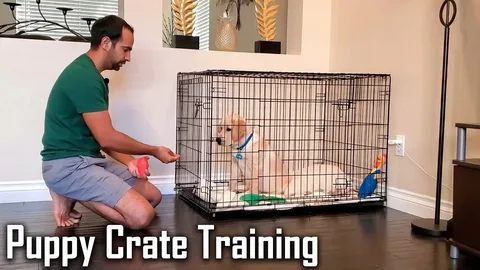
Night time crate training is one of the most important steps in raising a well-behaved puppy. While it can feel challenging at first, proper crate training helps your puppy feel safe, reduces accidents, and creates a consistent sleep routine. This guide provides a step-by-step, SEO-optimized approach to help puppy owners achieve stress-free nights.
Why Night Time Crate Training Matters
Crate training is not about confinement it’s about creating a secure and comfortable space for your puppy. Dogs naturally seek den-like environments, and a crate can become their safe zone.
Key Benefits:
- Promotes better sleep patterns
- Reduces nighttime accidents
- Prevents destructive behavior
- Builds independence and confidence
- Helps with house training
A properly trained puppy will view the crate as a positive space rather than a punishment.
Choosing the Right Crate for Your Puppy
Selecting the correct crate is essential for successful night training.
Crate Size Guidelines:
- Your puppy should be able to stand, turn, and lie down comfortably
- Avoid oversized crates to prevent potty accidents
- Use dividers for growing puppies
Types of Crates:
- Wire crates (good ventilation)
- Plastic crates (cozy and den-like)
- Soft-sided crates (best for calm puppies)
Place the crate in your bedroom initially so your puppy feels secure.
Preparing the Crate for Night Time
Creating a comfortable environment will help your puppy settle faster.
What to Include:
- Soft bedding or a crate mat
- A safe chew toy
- A light blanket (optional for warmth)
What to Avoid:
- Too many toys (can overstimulate)
- Food or water overnight (unless very young)
Make the crate inviting so your puppy associates it with comfort and rest.
Step-by-Step Night Time Crate Training Process
1. Introduce the Crate During the Day
Start by letting your puppy explore the crate freely. Place treats and toys inside to create positive associations.
2. Feed Meals Near or Inside the Crate
This builds a strong positive connection between the crate and rewards.
3. Practice Short Crate Sessions
Gradually increase the time your puppy spends in the crate while you are nearby.
4. Establish a Bedtime Routine
Consistency is key. Follow a predictable routine:
- Playtime
- Final potty break
- Calm settling time
- Into the crate
5. Place the Crate Near Your Bed
Your presence helps reduce anxiety and crying during the first few nights.
Managing Night Time Crying
It’s normal for puppies to cry at night initially. Understanding the reason is crucial.
Common Causes:
- Need to go potty
- Separation anxiety
- Discomfort
What to Do:
- Wait a few minutes before responding
- Take the puppy out quietly if needed
- Avoid play or excitement during nighttime breaks
What NOT to Do:
- Don’t immediately pick up the puppy for attention
- Don’t punish crying
Consistency teaches your puppy that nighttime is for sleeping.
Night Time Potty Training Tips
Young puppies cannot hold their bladder for long periods.
General Rule:
- Puppies can hold their bladder for about their age in months + 1 hour
Tips:
- Take your puppy out right before bedtime
- Set an alarm for nighttime potty breaks (if needed)
- Keep lights low and interactions minimal
Over time, your puppy will sleep longer without needing breaks.
Creating a Calm Sleep Environment
A peaceful environment helps your puppy relax and sleep through the night.
Helpful Techniques:
- Use white noise to reduce external sounds
- Keep lighting dim
- Maintain a consistent bedtime
Avoid stimulating activities right before sleep.

Common Mistakes to Avoid
Avoiding these mistakes will speed up the training process.
1. Using the Crate as Punishment
This creates fear and negative associations.
2. Inconsistent Routine
Irregular schedules confuse your puppy.
3. Letting the Puppy Sleep Outside the Crate
This slows down training progress.
4. Giving Attention for Crying
This reinforces unwanted behavior.
How Long Does Night Crate Training Take?
Every puppy is different, but most adjust within 1–2 weeks with consistent training.
Factors That Affect Training:
- Age of the puppy
- Breed temperament
- Consistency of routine
Patience and consistency are key to success.
Signs Your Puppy Is Adjusting Well
You’ll notice progress when:
- Crying decreases significantly
- Puppy enters the crate willingly
- Longer sleep durations
- Fewer accidents
Celebrate small wins to stay motivated.
Advanced Tips for Faster Results
Use Positive Reinforcement
Reward calm behavior with treats and praise.
Tire Your Puppy Before Bed
A tired puppy sleeps better. Include:
- Light play sessions
- Short walks
Stick to a Feeding Schedule
Predictable meal times help regulate potty habits.
When to Seek Help
If your puppy continues excessive crying or anxiety after a few weeks, consider:
- Consulting a professional dog trainer
- Checking for health issues
Persistent problems may require expert guidance.
FAQs About Night Time Crate Training a Puppy
1. How long should a puppy cry in a crate at night?
Allow a few minutes for self-soothing. If crying continues, check for potty needs, but avoid giving attention unnecessarily.
2. Should I ignore my puppy crying at night?
Not completely. Determine if the puppy needs a potty break. Otherwise, avoid reinforcing the behavior with attention.
3. Can I leave water in the crate overnight?
For very young puppies, small amounts may be okay. Otherwise, remove water to prevent accidents.
4. Where should I place the crate at night?
Keep it near your bed initially to reduce anxiety and help your puppy feel secure.
5. How many potty breaks does a puppy need at night?
Young puppies may need 1–2 breaks. Older puppies can sleep through the night.
6. What if my puppy hates the crate?
Introduce it gradually with positive reinforcement. Never force your puppy inside.
7. Is it okay to cover the crate?
Yes, covering the crate can create a cozy environment, but ensure proper ventilation.
8. When can my puppy sleep outside the crate?
Once fully house-trained and comfortable, usually after several months
Conclusion
Night time crate training is essential for raising a disciplined and happy puppy. With consistency, patience, and the right techniques, your puppy will quickly learn to enjoy their crate and sleep peacefully through the night. By following this structured approach, you not only improve your puppy’s behavior but also create a stress-free routine for yourself.
Focus on positive reinforcement, maintain a routine, and avoid common mistakes to achieve the best results.

World Dog Care offers simple dog care tips, healthy food guides, training advice, and trusted information for happy pets.