

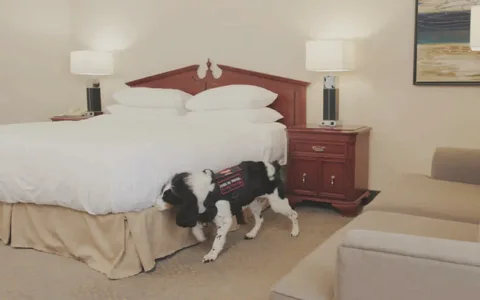
Bed bug detection dog training is a specialized process that teaches dogs to find live bed bugs using their powerful sense of smell. As bed bug problems grow in homes, hotels, and apartments, trained detection dogs are becoming one of the most accurate and fast inspection tools. In this guide, you will learn how bed bug dog training works, what breeds are best, how long training takes, and why proper certification matters.
If you are a dog trainer, pest control business owner, or simply curious about scent work, this article will give you clear and practical information in easy words.
Why Bed Bug Detection Dog Training Is Important
Bed bugs are small insects that hide in mattresses, furniture, walls, and carpets. They are hard to see with the human eye. Traditional inspections can take hours and may still miss hidden bugs.
This is where bed detection dog training becomes valuable. Dogs have up to 300 million scent receptors in their noses. They can smell tiny amounts of odor that humans cannot detect. A well-trained detection dog can:
- Find live bed bugs quickly
- Detect early infestations
- Reduce the need for large-scale furniture removal
- Save time and inspection costs
When trained correctly, detection dogs can reach accuracy rates above 90%. However, this depends on proper training and ongoing practice.
How Bed Bug Detection Dog Training Works
1. Understanding Scent Imprinting
The first step in bed bug detection dog is scent imprinting. This means teaching the dog to recognize the specific smell of live bed bugs and viable eggs.
The dog is introduced to:
- Live bed bugs in secure containers
- Bed bug eggs
- Different levels of infestation samples
The trainer rewards the dog every time it shows interest in the correct scent. Over time, the dog learns that finding this smell leads to a reward.
2. Positive Reinforcement
Professional trainers use positive reinforcement methods. This includes:
- Food rewards
- Toys
- Praise
Punishment is never recommended. Scent detection requires confidence and focus. A happy dog performs better and more accurately.
3. Indication Training
In bed bug detection dog training, the dog must learn how to alert the handler. This alert is called an “indication.”
Common indication behaviors include:
- Sitting
- Lying down
- Pawing gently
- Freezing near the source
The indication must be clear and consistent. This prevents false alerts and confusion during real inspections.
Best Dog Breeds for Bed Bug Detection Dog Training
Not all dogs are suitable for scent detection. Some breeds are naturally better at focused scent work.
Popular breeds include:
- Beagles
- Labrador Retrievers
- German Shepherds
- Belgian Malinois
- Springer Spaniels
These breeds have strong noses, high energy, and a desire to work. However, breed is not everything. Temperament and motivation are just as important.
A good detection dog should be:
- Curious
- Food or toy driven
- Confident in new environments
- Not aggressive or fearful
How Long Does Bed Bug Detection Dog Training Take?
The timeline can vary depending on the dog’s age and experience.
On average:
- Basic scent imprinting: 4–6 weeks
- Advanced training: 2–3 months
- Real-world scenario practice: ongoing
Some professional programs offer 8 to 12-week intensive training courses. After that, regular practice is necessary to maintain accuracy.
Bed bug detection dog training is not a one-time process. Ongoing training keeps the dog sharp and reliable.
Real-World Training Environments
Training should not only happen in classrooms or labs. Dogs must practice in realistic environments such as:
- Hotel rooms
- Apartments
- Office spaces
- Public buildings
This helps the dog learn to ignore distractions like cleaning chemicals, perfumes, and food smells.
Handlers also need training. A detection team includes both the dog and the handler. The handler must learn:
- How to read body language
- How to avoid cueing the dog
- How to document findings properly
Certification and Standards
When it comes to bed bug detection dog training, certification matters. Clients want proof that the dog is reliable.
Independent testing organizations evaluate:
- Accuracy rates
- False alert rates
- Real-life search performance
Annual recertification is often required. This ensures the dog maintains professional standards.
If you plan to start a bed bug detection business, certification builds trust with customers and pest control companies.
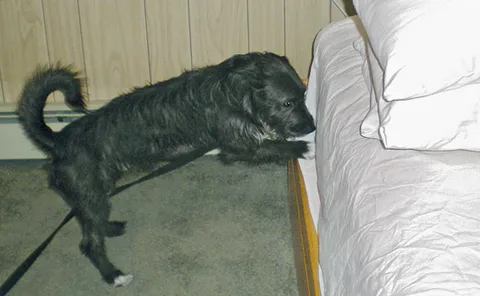
Common Challenges in Bed Bug Detection Dog Training
Even skilled trainers face challenges. Some common problems include:
False Alerts
Sometimes dogs may alert due to handler cues or environmental distractions. Regular blind testing helps reduce this issue.
Handler Influence
Dogs are very sensitive to human body language. If a handler unknowingly signals where bugs might be, the dog may alert incorrectly. Proper handler training prevents this.
Environmental Distractions
Hotels and homes contain many smells. Training must include exposure to different odors so the dog learns to focus only on bed bug scent.
Benefits of Using Bed Bug Detection Dogs
There are many advantages to investing in bed bug detection dog training:
- Faster inspections
- Non-invasive detection
- Higher accuracy for live bugs
- Early infestation identification
- Cost savings for property owners
For hotels and property managers, early detection prevents large outbreaks and protects reputation.
Starting a Bed Bug Detection Dog Training Program
If you are interested in entering this field, follow these steps:
- Choose the right dog with strong drive and confidence.
- Work with a professional scent detection trainer.
- Use real bed bug samples for accurate imprinting.
- Practice in different real-life locations.
- Get certified by a recognized organization.
- Continue training weekly to maintain skills.
This career path can be profitable for pest control businesses and dog trainers who want to specialize in scent work.
Is Bed Bug Detection Dog Training Worth It?
Yes, when done properly. The demand for accurate bed bug inspections continues to grow. Many hotels and housing authorities prefer canine inspections because they are faster and less disruptive than manual searches.
However, success depends on:
- Proper initial training
- Strong handler-dog bond
- Regular practice
- Honest business practices
Without these, accuracy can drop.
Final Thoughts
Bed bug detection dog training is a highly specialized and rewarding field. It combines a dog’s natural scent ability with structured training methods to detect live bed bugs quickly and accurately. From scent imprinting to certification, each step plays an important role in building a reliable detection team.
If you are serious about entering this industry, focus on professional training standards, positive reinforcement methods, and continuous learning. A well-trained detection dog is not just a tool — it is a skilled working partner.
With the right approach, bed bug dog training can open doors to a trusted and in-demand service in the pest control industry.

Welcome to Dog Care. I’m Ubaid ur Rehman, an SEO specialist with 3 years of experience,
helping websites grow through ethical strategies, high rankings, traffic, trust, and long-term results.