
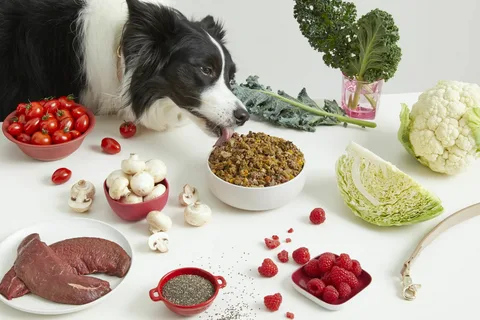
Choosing the best diet for dogs at different ages is one of the most important responsibilities of every dog owner. Dogs grow, change, and age just like humans, and their nutritional needs evolve at each life stage. Feeding the wrong diet can lead to health problems, weak immunity, obesity, or poor growth. This complete guide explains what to feed dogs from puppyhood to senior years, helping you raise a healthy, happy, and active companion.
Why Age-Specific Nutrition Matters for Dogs
Dogs require different nutrients at different ages because their bodies function differently over time. Puppies need energy for growth, adult dogs need balanced maintenance nutrition, and senior dogs need support for joints, digestion, and immunity.
Feeding age-appropriate food helps:
- Support healthy growth and development
- Maintain ideal body weight
- Improve digestion and nutrient absorption
- Strengthen bones, joints, and muscles
- Increase lifespan and quality of life
Understanding the best diet for dogs at different ages ensures your dog gets the right nutrients at the right time.
Best Diet for Puppies (0–12 Months)
Nutritional Needs of Puppies
Puppies grow rapidly and require more calories and nutrients than adult dogs. Their diet should support bone development, muscle growth, brain function, and a strong immune system.
Key nutrients puppies need:
- High-quality protein
- Healthy fats and omega-3 fatty acids
- Calcium and phosphorus
- Vitamins and minerals
Best Food Options for Puppies
The best diet for puppies includes:
- Puppy-specific dry kibble
- Wet food formulated for puppies
- Vet-approved homemade meals
Feeding Frequency for Puppies
- 2–3 months: 4 meals per day
- 3–6 months: 3 meals per day
- 6–12 months: 2 meals per day
Avoid feeding adult dog food to puppies, as it lacks essential growth nutrients.
Best Diet for Adult Dogs (1–7 Years)
Nutritional Needs of Adult Dogs
Adult dogs need a balanced diet that maintains energy levels without causing weight gain. The focus shifts from growth to maintenance and overall health.
Essential nutrients include:
- Moderate protein for muscle maintenance
- Healthy fats for energy
- Fiber for digestion
- Vitamins and antioxidants
Best Diet for Dogs at Different Ages: Adult Stage
The best diet for dogs at different ages during adulthood includes:
- High-quality dry dog food
- Combination of wet and dry food
- Natural, whole-ingredient diets
Look for foods with real meat as the first ingredient and no artificial additives.
Feeding Schedule for Adult Dogs
- Most adult dogs do well with 2 meals per day
- Active breeds may need slightly higher calorie intake
- Portion control is crucial to prevent obesity
Best Diet for Senior Dogs (7+ Years)
Nutritional Needs of Senior Dogs
As dogs age, metabolism slows down, and joint issues become common. Senior dogs need fewer calories but more joint and immune support.
Important nutrients for senior dogs:
- Easily digestible protein
- Omega-3 fatty acids for joints
- Glucosamine and chondroitin
- Antioxidants for immunity
Best Food Choices for Senior Dogs
The best diet for senior dogs includes:
- Senior-specific dog food
- Soft or wet food for dental issues
Feeding Tips for Older Dogs

- Feed smaller portions
- Monitor weight regularly
- Ensure constant access to fresh water
Senior dogs benefit greatly from diets designed specifically for aging bodies.
Best Diet for Dogs at Different Ages by Size
Small Breed Dogs
- Higher metabolism
- Need calorie-dense food
- Smaller kibble size
Medium Breed Dogs
- Balanced nutrition
- Moderate calorie intake
- Regular portion control
Large and Giant Breed Dogs
- Joint-support nutrients
- Controlled calcium levels
- Avoid rapid weight gain
Choosing food based on size along with age improves overall health.
Homemade Diet vs Commercial Dog Food
Homemade Dog Food
Pros:
- Full control over ingredients
- Fresh and natural
Cons:
- Risk of nutritional imbalance
- Time-consuming
Commercial Dog Food
- Nutritionally complete
- Convenient and consistent
Cons:
- Quality varies by brand
Always consult a veterinarian before switching to homemade meals.
Foods to Avoid at All Ages
Some foods are harmful to dogs regardless of age:
- Chocolate
- Grapes and raisins
- Onions and garlic
- Xylitol
- Cooked bones
Avoid table scraps and highly processed human foods.
How to Transition Dog Food Safely
When changing your dog’s diet:
- Mix 25% new food with 75% old food
- Gradually increase new food over 7–10 days
- Monitor digestion and stool quality
This reduces the risk of stomach upset.
Signs Your Dog Is Eating the Right Diet
A proper diet results in:
- Shiny coat
- Healthy weight
- Good energy levels
- Strong digestion
- Fewer vet visits
If you notice lethargy, itching, or weight changes, review your dog’s diet.
Final Thoughts on the Best Diet for Dogs at Different Ages
Providing the best diet for dogs at different ages is not about expensive food but about the right nutrition at the right life stage. Puppies need growth support, adults need balanced maintenance, and seniors need gentle, supportive nutrition. By choosing age-appropriate, high-quality food and monitoring your dog’s health, you can ensure a longer, healthier, and happier life for your furry companion

Welcome to Dog Care. I’m Ubaid ur Rehman, an SEO specialist with 3 years of experience,
helping websites grow through ethical strategies, high rankings, traffic, trust, and long-term results.