

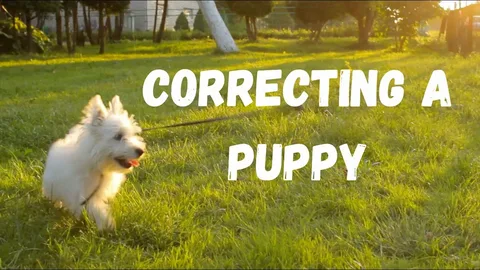
Training a 5-month-old puppy is an exciting stage for every dog owner. At this age, puppies are full of energy, curiosity, and a strong desire to learn new things. They are no longer tiny babies, but they are still young enough to develop good habits quickly. Proper training during this stage helps your puppy grow into a well-behaved, confident, and happy dog.
Many owners feel confused about where to start. Some puppies jump on people, chew furniture, bark too much, or refuse to listen. The good news is that with patience, consistency, and the right techniques, you can successfully train your puppy and build a strong bond with them.
This guide will explain simple and effective ways to train a 5-month-old puppy using easy steps that anyone can follow.
Understanding a 5-Month-Old Puppy
Before starting training, it is important to understand your puppy’s behavior. At five months old, puppies are in their teenage stage. They are more active and sometimes a little stubborn. They also start testing boundaries to see what they can get away with.
Your puppy may already know some basic things, but they might ignore commands when they are excited or distracted. This is normal. Training at this stage focuses on reinforcing good behavior and building discipline.
Puppies also need mental stimulation and physical exercise. Without these, they may become bored and develop bad habits like chewing shoes or digging.
Start with Basic Obedience Training
Basic obedience training is the foundation of good behavior. Every puppy should learn a few important commands that help control their actions.
1. Teach the “Sit” Command
“Sit” is usually the first command puppies learn.
How to train it:
- Hold a small treat in your hand.
- Move the treat slowly above your puppy’s head.
- As your puppy looks up, their bottom will naturally touch the ground.
- Say the word “Sit”.
- Give the treat and praise your puppy.
Repeat this several times every day. Puppies learn faster with short training sessions.
2. Teach the “Stay” Command
“Stay” teaches patience and self-control.
Steps to train:
- Ask your puppy to sit.
- Hold your hand in front of them and say “Stay”.
- Take one small step back.
- If your puppy stays in place, reward them.
- Slowly increase the distance over time.
Consistency is very important for this command.
3. Teach the “Come” Command
The “Come” command is essential for your puppy’s safety.
Training steps:
- Call your puppy’s name in a happy voice.
- Say “Come”.
- When your puppy comes to you, reward them with treats and praise.
Never punish your puppy when they come to you. They should always feel safe coming to their owner.
Potty Training Your Puppy
Most puppies are partly potty trained by five months, but accidents can still happen. Consistent routines help puppies learn faster.
Tips for successful potty training
• Take your puppy outside after waking up
• Take them out after eating or drinking
• Take them out before bedtime
• Always use the same potty spot
When your puppy goes to the bathroom in the right place, praise them immediately. Positive reinforcement helps them understand what they did right.
Avoid punishment if accidents happen inside the house. Instead, clean the area and continue training.
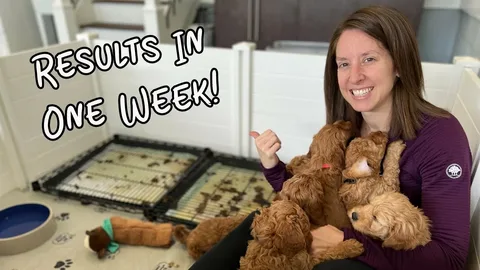
Stop Puppy Biting and Chewing
Puppies naturally explore the world with their mouths. At five months old, they may still chew on furniture, shoes, or hands.
How to control biting
If your puppy bites your hand during play:
- Say “No” in a calm but firm voice.
- Stop playing immediately.
- Give them a chew toy instead.
This teaches your puppy what they are allowed to chew.
Provide chew toys
Chew toys help puppies release energy and reduce destructive chewing. Make sure your puppy always has safe toys available.
Socializing Your Puppy
Socialization is extremely important at this age. Puppies need to learn how to behave around people, animals, and new environments.
A well-socialized puppy grows into a calm and confident dog.
Ways to socialize your puppy
• Introduce them to friendly people
• Allow them to meet other vaccinated dogs
• Take them on short walks in different places
• Let them experience new sounds and environments
Always keep social experiences positive. If your puppy feels scared, give them time to adjust slowly.
Leash Training Your Puppy
Many puppies pull on the leash because they are excited to explore.
How to train leash behavior
- Use a comfortable collar or harness.
- Start walking slowly.
- If your puppy pulls, stop walking.
- Continue walking only when the leash becomes loose.
This teaches your puppy that pulling does not help them move forward.
Practice short walks every day to improve leash manners.
Use Positive Reinforcement
Positive reinforcement is one of the most effective training methods. This means rewarding your puppy when they behave correctly.
Rewards may include:
• Small treats
• Praise and affection
• Playtime with toys
Dogs repeat behaviors that bring rewards. When your puppy does something good, reward them immediately so they understand why they are being praised.
Avoid yelling or harsh punishment. This can confuse your puppy and damage trust.
Create a Daily Training Routine
Puppies learn best with a consistent routine. Short training sessions are more effective than long ones.
A good training schedule may include:
Morning – potty break and short training
Afternoon – playtime and socialization
Evening – obedience practice and walk
Each training session should last 5 to 10 minutes. Puppies have short attention spans, so keeping sessions fun helps them stay focused.
Provide Enough Exercise
A 5-month-old puppy has lots of energy. Without proper exercise, they may develop unwanted behaviors like barking or chewing.
Daily exercise may include:
• Walks
• Playing fetch
• Tug games
• Interactive toys
Exercise also improves mental health and helps puppies sleep better.
Be Patient and Consistent
Training takes time. Some puppies learn commands quickly, while others need more practice.
The most important things are:
• Consistency
• Patience
• Positive attitude
If everyone in the household uses the same commands and rules, the puppy will learn much faster.
Common Training Mistakes to Avoid
Many dog owners unknowingly make mistakes that slow down training.
Inconsistent rules
If one person allows the puppy on the couch and another person forbids it, the puppy becomes confused.
Long training sessions
Puppies lose focus quickly. Short sessions work better.
Punishing mistakes
Punishment often causes fear instead of learning.
Lack of exercise
A bored puppy usually becomes a destructive puppy.
Avoiding these mistakes will make training smoother and faster.
When to Consider Professional Training
Sometimes puppies develop behaviors that are difficult to manage alone. Professional dog trainers can help with issues such as:
• Excessive barking
• Aggression
• Severe leash pulling
• Anxiety problems
Group training classes are also a great way for puppies to socialize while learning obedience.
FAQs
What should a 5-month-old puppy know?
A 5-month-old puppy should know basic commands such as sit, stay, and come. They should also be learning leash walking, house training, and good social behavior.
How long should I train my puppy each day?
Short sessions of 5 to 10 minutes, two to three times a day, work best. Puppies learn better with frequent but short training periods.
Is 5 months too late to train a puppy?
No, it is not too late. Five months is actually a great age to train a puppy because they are more focused and capable of learning new commands.
Why does my puppy ignore commands?
Puppies often ignore commands when they are distracted or excited. Practice training in quiet environments first and gradually introduce distractions.
How do I stop my puppy from biting?
When your puppy bites, stop playing immediately and redirect them to a chew toy. Consistent redirection helps puppies learn what is acceptable to bite.
Final Thoughts
Training a 5-month-old puppy requires patience, consistency, and positive reinforcement. This stage is an important time in your puppy’s development, and the habits they learn now will shape their behavior as adult dogs.
Focus on basic obedience, socialization, leash training, and proper exercise. Keep training sessions short, fun, and rewarding. Over time, your puppy will become more obedient, confident, and well-behaved.
With dedication and love, you can successfully train your puppy and build a strong lifelong relationship with your furry companion.

Welcome to Dog Care. I’m Ubaid ur Rehman, an SEO specialist with 3 years of experience,
helping websites grow through ethical strategies, high rankings, traffic, trust, and long-term results.