

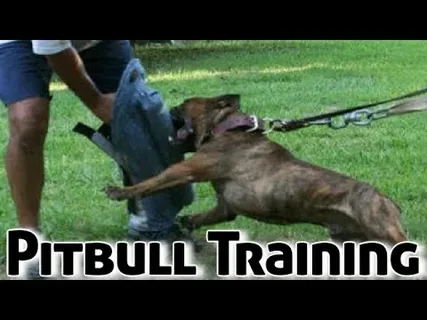
Pitbull puppies are energetic, playful, and full of curiosity. Like most young dogs, they explore the world with their mouths. Many new owners worry when their puppy starts nipping or biting during play. The good news is that this behavior is normal and can be corrected with proper training and patience. Teaching a puppy not to bite is one of the most important parts of early dog training. With consistent guidance, Pitbull puppies can grow into gentle, friendly, and well-behaved companions.
This guide explains why puppies bite and shows simple, effective ways to train a Pitbull puppy to stop biting.
Why Pitbull Puppies Bite
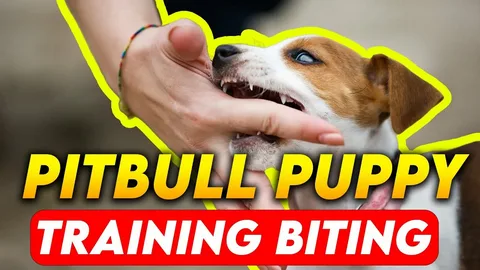
Before correcting the behavior, it is important to understand why puppies bite in the first place. Biting does not mean a puppy is aggressive. In most cases, it is simply part of natural puppy behavior.
1. Teething Pain
Puppies begin teething when they are around 3 to 4 months old. Their gums become sore, and chewing helps relieve discomfort. During this stage, puppies often chew or bite objects, furniture, or even hands.
2. Play Behavior
Puppies play with their littermates by biting and wrestling. When they move to a new home, they may treat their owners the same way.
3. Attention Seeking
Sometimes puppies bite because they want attention. If biting leads to interaction, they may repeat the behavior.
4. Lack of Training
Without early training, puppies do not understand the difference between playful mouthing and unacceptable biting.
Understanding these reasons helps owners respond correctly and guide the puppy toward better behavior.
Start Training Early
Early training is the key to preventing serious biting problems later. Puppies learn very quickly during their first few months. Teaching good habits early helps shape a calm and obedient adult dog.
Training should begin as soon as the puppy arrives home. Short, consistent sessions work best. Puppies have short attention spans, so patience and repetition are important.
Teach Bite Inhibition
Bite inhibition means teaching a puppy to control the pressure of its bite. This is one of the most important lessons a young dog can learn.
When a puppy bites too hard during play, react immediately.
Steps to teach bite inhibition:
- When the puppy bites your hand, say “ouch” in a firm voice.
- Stop playing immediately.
- Pull your hand away and ignore the puppy for a few seconds.
- Resume play only when the puppy becomes calm.
This method teaches the puppy that biting stops the fun. Over time, the puppy learns to be gentle.
Use Positive Reinforcement
Positive reinforcement is one of the most effective training methods for puppies. Instead of punishing bad behavior, reward good behavior.
When the puppy plays gently without biting:
- Give praise
- Offer a small training treat
- Pet the puppy calmly
Dogs repeat behaviors that bring rewards. When gentle play receives attention and treats, puppies naturally begin to prefer that behavior.
Provide Chew Toys
Puppies need something safe to chew, especially during teething. Without proper toys, they may chew hands, clothes, or furniture.
Good chew toys can redirect their biting behavior.
Examples include:
- Rubber chew toys
- Durable rope toys
- Puppy teething rings
- Soft chew bones designed for puppies
Whenever the puppy tries to bite your hand, calmly replace your hand with a toy. This teaches the puppy what is acceptable to chew.
Stop Rough Play
Many owners accidentally encourage biting by playing rough games with their puppies. Wrestling with hands or allowing the puppy to chase fingers can create bad habits.
Avoid games that involve hands near the puppy’s mouth.
Instead, choose safer activities such as:
- Fetch
- Tug toys with rules
- Puzzle toys
- Training exercises
These activities allow the puppy to burn energy without encouraging biting.
Socialize Your Pitbull Puppy
Socialization is an important part of raising a well-behaved dog. A well-socialized puppy is usually calmer and less likely to show unwanted behaviors like biting.
Expose your puppy to:
- Different people
- Other friendly dogs
- New environments
- Various sounds and situations
Early social experiences help puppies feel confident and relaxed as they grow.
Teach Basic Commands
Basic obedience training also helps control biting behavior. Commands such as sit, stay, and leave it teach puppies to focus and listen to their owner.
Training sessions should be short and fun. Five to ten minutes a few times a day is usually enough for a young puppy.
Once a puppy understands commands, owners can redirect unwanted behavior more easily.
For example, if a puppy begins biting during play, asking the puppy to “sit” can help calm the situation.
Stay Calm and Consistent
Consistency is the foundation of good dog training. Every member of the household should follow the same rules. If one person allows playful biting while another discourages it, the puppy will become confused.
Remain calm during training. Yelling or physical punishment can create fear and may make biting worse.
Instead, focus on guiding the puppy toward the correct behavior.
Give Your Puppy Enough Exercise
Pitbull puppies are energetic dogs. When they have too much unused energy, they may become overly excited and start biting during play.
Regular exercise helps prevent this problem.
Healthy activities for young Pitbull puppies include:
- Short daily walks
- Interactive toys
- Basic training sessions
- Supervised playtime in a yard
Mental stimulation is also important. Puzzle toys and training games keep a puppy’s mind active and reduce destructive behaviors.
Avoid Encouraging Aggressive Habits
Some owners mistakenly train their dogs to act tough or aggressive. Encouraging aggressive behavior in a puppy can lead to serious problems later.
Focus on raising a calm, friendly, and well-trained dog instead.
A properly trained Pitbull is known for loyalty, intelligence, and affection. Many Pitbulls become excellent family companions when raised with positive guidance.
Be Patient With the Training Process
Training a puppy takes time. It is normal for puppies to make mistakes while learning. Progress may be slow in the beginning, but consistency will produce results.
Most puppies gradually stop biting as they mature and complete the teething stage.
Remember that every dog learns at a different pace. Patience, repetition, and positive reinforcement are the keys to success.
When to Seek Professional Help
In most cases, puppy biting can be solved with basic training techniques. However, professional help may be useful if:
- The puppy bites aggressively
- Biting continues after several months of training
- The puppy shows signs of fear or anxiety
- Owners feel unsure about handling the behavior
A professional dog trainer or animal behavior specialist can evaluate the situation and provide personalized guidance.
Early intervention can prevent small problems from becoming serious issues.
Final Thoughts
Training a Pitbull puppy not to bite is an essential part of responsible dog ownership. Puppies naturally use their mouths to explore and play, but with proper training they can learn to control this behavior.
Teaching bite inhibition, providing chew toys, rewarding gentle play, and maintaining consistent rules will help your puppy develop good habits. Socialization, exercise, and basic obedience training also play a major role in shaping a well-behaved dog.
With patience, love, and clear guidance, Pitbull puppies grow into loyal, affectionate, and gentle companions. Early training not only prevents biting problems but also builds a strong bond between the dog and its owner.
A well-trained Pitbull is not only safe to be around but also a wonderful and loving member of the family.

Welcome to Dog Care. I’m Ubaid ur Rehman, an SEO specialist with 3 years of experience,
helping websites grow through ethical strategies, high rankings, traffic, trust, and long-term results.