

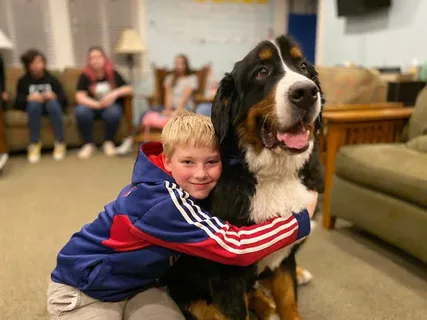
When a child with autism wanders unexpectedly, it can turn into a frightening emergency within minutes. A tracking dog trained elopement autism support program is designed to help families prevent and respond quickly to these dangerous situations. These specially trained dogs are not ordinary pets—they are highly skilled companions that can track a missing child’s scent and provide emotional stability at the same time. For many parents, a tracking dog offers peace of mind, safety, and independence for their child.
In this article, you will learn how tracking dogs are trained, how they help children with autism, the benefits for families, and what to consider before getting one.
What Is Elopement in Autism?
Elopement, also known as wandering, happens when a child leaves a safe area without supervision. It is common among children on the autism spectrum. Some children wander because of sensory overload, curiosity, or the desire to escape a stressful environment.
Why Elopement Is Dangerous
Children with autism may:
- Not respond when their name is called
- Avoid eye contact
- Be attracted to water, roads, or quiet hidden places
- Struggle to communicate if lost
Because of these factors, wandering can quickly become life-threatening. This is why many families look for extra safety solutions, including GPS devices and a tracking dog trained elopement autism program.
How a Tracking Dog Trained Elopement Autism Works
A tracking dog trained for autism elopement is taught to recognize and follow a specific child’s scent. If the child wanders, the dog can track their location much faster than a search team alone.
Specialized Scent Training
These dogs are trained using:
- Personal scent articles like clothing or blankets
- Long-distance scent tracking techniques
- Real-world distraction training
The dog learns to ignore other smells and stay focused on the child’s scent trail. This type of training takes months and is handled by professional service dog organizations.
Bonding With the Child
A strong emotional bond is important. The dog is not only trained to track but also to:
- Provide deep pressure therapy
- Reduce anxiety and meltdowns
- Stay tethered to the child in public places
Many programs use a safety tether that connects the child to the dog, reducing the risk of sudden running.
Benefits of a Tracking Dog for Autism Elopement
A tracking dog trained elopement autism solution provides more than just tracking ability. It improves daily life for both the child and the family.
1. Increased Safety
The biggest benefit is safety. If a child runs away, every second counts. A trained tracking dog can quickly pick up the scent and lead caregivers to the child.
2. Emotional Support
Children with autism often feel calmer around animals. A service dog can:
- Reduce stress
- Improve sleep patterns
- Lower anxiety in crowded areas
3. Greater Independence
Families may feel more comfortable taking their child to parks, shopping centers, or community events knowing there is an added layer of protection.
4. Improved Social Interaction
Service dogs often act as a bridge in social situations. Other children may approach to ask about the dog, helping the child with autism build communication skills naturally.
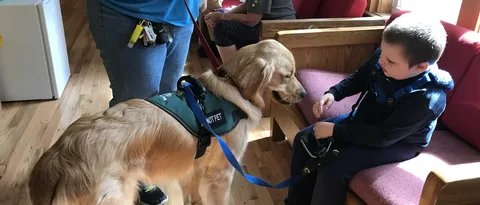
How Dogs Are Selected for Tracking Work
Not every dog is suitable for elopement tracking.
Ideal Breeds
Some commonly used breeds include:
- German Shepherds
- Labrador Retrievers
- Golden Retrievers
- Belgian Malinois
These breeds are chosen for intelligence, focus, stamina, and calm temperament.
Personality Matters More Than Breed
While breed can help, temperament is more important. A tracking dog must be:
- Confident
- Non-aggressive
- Highly trainable
- Comfortable in busy environments
Professional organizations carefully test each dog before training begins.
Training Process for Autism Tracking Dogs
The training process for a tracking dog trained elopement autism program usually includes several stages.
Early Socialization
Puppies are exposed to:
- Loud noises
- Crowded places
- Different surfaces and environments
This ensures they remain calm in real-life situations.
Advanced Tracking Skills
Dogs practice:
- Following scent trails over long distances
- Working in rural and urban settings
- Tracking with time delays
Public Access Training
The dog must behave properly in:
- Schools
- Restaurants
- Hospitals
- Public transportation
This is essential for service dog certification.
Secondary Keywords Included in This Guide
To help families researching this topic, this article also covers related terms such as:
- autism service dog
- autism wandering prevention
- elopement prevention dog
- autism safety dog
- service dog for autistic child
- autism tracking service dog training
These keywords reflect common search queries from parents looking for reliable safety solutions.
Things to Consider Before Getting a Tracking Dog
While a tracking dog trained for autism elopement can be life-changing, it is a serious commitment.
Cost
Service dogs can cost thousands of dollars due to specialized training. Some nonprofit organizations offer financial assistance or fundraising support.
Time Commitment
The family must:
- Participate in handler training
- Maintain regular practice sessions
- Provide daily exercise and care
Lifestyle Compatibility
A service dog becomes part of the family. Everyone in the household must be comfortable with having a working dog at home.
Alternatives and Additional Safety Measures
Even with a tracking dog, families should use multiple safety strategies:
- Door alarms
- GPS tracking devices
- Identification bracelets
- Fencing and secure locks
A layered approach gives the best protection.
Legal Rights of Autism Service Dog Handlers
In many countries, service dogs are protected under disability laws. This means:
- The dog can accompany the child in public spaces
- Businesses cannot deny access
- Schools must allow properly trained service dogs
Always check local laws for specific regulations.
Real-Life Impact on Families
Many families report that a dog trained elopement autism program changes their daily life completely. Parents experience less anxiety, children gain confidence, and siblings feel safer knowing there is extra protection in place.
Beyond safety, these dogs provide unconditional companionship. For a child who may struggle with communication, the bond with a service dog can be powerful and healing.
Final Thoughts
Elopement is one of the most serious safety concerns for children with autism. A tracking dog trained elopement autism solution offers both practical protection and emotional support. These highly trained dogs can track a child’s scent, reduce anxiety, and help families live with greater peace of mind.
While the commitment is significant, many families find that the benefits far outweigh the challenges. If you are considering this option, research reputable service dog organizations, understand the training process, and evaluate your family’s readiness.
With proper preparation and support, a tracking dog can become not just a safety tool—but a loyal companion and life-saving partner.

Welcome to Dog Care. I’m Ubaid ur Rehman, an SEO specialist with 3 years of experience,
helping websites grow through ethical strategies, high rankings, traffic, trust, and long-term results.