

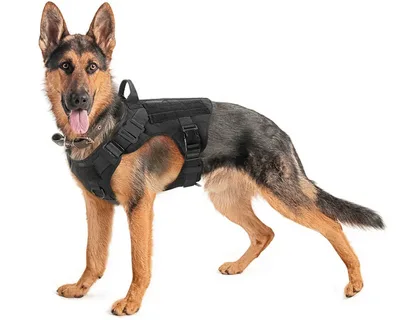
Training a dog can be fun, but it can also become stressful when your dog pulls the leash, jumps on people, or refuses to listen during walks. A dog training vest is a simple tool that helps owners train dogs in a safer and more comfortable way. These vests are specially designed to improve control, reduce pulling, and make training sessions easier for both the dog and the owner.
Whether you have a playful puppy or a strong adult dog, the right training vest can make a big difference. In this guide, you will learn everything about dog training vests, their benefits, common problems, how to choose the best one, and useful training tips.
What Is a Dog Training Vest?
A dog training vest is a harness-style vest made to help with dog training. Unlike a regular collar, the vest spreads pressure across the dog’s chest and shoulders instead of the neck. This makes walks safer and more comfortable.
Many training vests come with:
- Adjustable straps
- Front and back leash clips
- Soft padding
- Reflective strips for night walks
- Strong handles for better control
Some training vests are also used for service dogs, police dogs, therapy dogs, and emotional support dogs.
Why Dog Owners Use Training Vests
Many dog owners choose training vests because they solve common walking and behavior problems. A good vest gives you better control without hurting your dog.
Main Benefits of Dog Training Vests
1. Stops Pulling During Walks
Dogs often pull hard on regular collars. A training vest helps reduce pulling by guiding the dog gently.
2. Protects the Neck
Traditional collars can strain the dog’s neck. Training vests spread pressure evenly across the body.
3. Better Control
The handle on the vest allows owners to control excited or strong dogs more easily.
4. Comfortable for Dogs
Soft padding and breathable material keep dogs comfortable during long walks.
5. Useful for Training Sessions
Training vests help dogs learn commands like:
- Sit
- Stay
- Heel
- Come
- Stop pulling
Common Problems Dog Owners Face
Many dog owners struggle with behavior problems during walks and training. Here are the most common issues and how a training vest can help.
Problem 1: Dog Pulls Too Much
This is one of the biggest complaints from dog owners. Pulling can make walks stressful and even dangerous.
Solution
A no-pull training vest redirects the dog’s movement. Front-clip designs help teach the dog to walk beside you calmly.
Problem 2: Dog Escapes From Collar
Some dogs easily slip out of collars, especially nervous or active dogs.
Solution
Training vests fit securely around the chest and shoulders, making escape more difficult.
Problem 3: Dog Gets Injured Around the Neck
Collars can sometimes cause coughing, choking, or neck strain.
Solution
A padded training vest protects the neck by spreading force across the body.
Problem 4: Hard to Control Large Dogs
Strong breeds can pull owners easily.
Solution
Heavy-duty training vests with handles provide better control and safer walking.
Problem 5: Puppy Training Is Difficult
Young puppies often get distracted and excited outdoors.
Solution
Lightweight puppy training vests help puppies learn walking manners safely.
Types of Dog Training Vests
Different dogs need different styles of training vests. Choosing the right type is important.
No-Pull Dog Training Vest
This type is made for dogs that pull during walks. The front leash clip helps guide the dog gently.
Best For:
- Strong pullers
- Large dogs
- Daily walks
Tactical Dog Training Vest
Tactical vests are strong and durable. They often include handles and extra attachment points.
Best For:
- Working dogs
- Police dogs
- Hiking and outdoor training
Puppy Training Vest
Puppy vests are lightweight and soft for small bodies.
Best For:
- Young puppies
- Beginner leash training
Service Dog Training Vest
These vests identify service or therapy dogs while helping handlers maintain control.
Best For:
- Service dogs
- Emotional support dogs
- Therapy dogs

How to Choose the Best Dog Training Vest
Buying the wrong vest can make training harder. Here are the most important things to check before buying.
1. Correct Size
A vest should fit snugly but not too tight.
Measure:
- Chest size
- Neck size
- Dog weight
Always check the size chart before purchasing.
2. Comfortable Material
Choose breathable and soft fabric to avoid skin irritation.
Good Materials:
- Mesh
- Nylon
- Padded fabric
3. Adjustable Straps
Adjustable straps help create a secure fit as your dog grows.
4. Strong Buckles
Cheap buckles can break easily. Durable clips improve safety.
5. Reflective Design
Reflective strips help keep dogs visible during night walks.
6. Front and Back Leash Clips
Front clips help with training while back clips are better for relaxed walks.
How to Train a Dog Using a Training Vest
A vest alone will not train your dog. You must use it correctly and stay patient.
Step 1: Let the Dog Wear the Vest Indoors
Allow your dog to get comfortable with the vest before outdoor walks.
Step 2: Reward Good Behavior
Use treats and praise when the dog walks calmly.
Step 3: Keep Training Sessions Short
Dogs learn better with short and positive sessions.
Step 4: Stop When the Dog Pulls
If the dog pulls, stop walking. Continue only when the leash becomes loose.
Step 5: Practice Daily
Consistency is the key to successful dog training.
Best Features to Look For
Here are the top features most dog owners prefer in a training vest:
- No-pull front clip
- Comfortable chest padding
- Reflective strips
- Durable leash attachment
- Easy-to-clean material
- Strong control handle
- Adjustable straps
Dog Breeds That Benefit Most From Training Vests
Training vests work well for almost all breeds, but they are especially useful for strong and active dogs.
Popular Breeds Using Training Vests
- German Shepherd
- Labrador Retriever
- Golden Retriever
- Siberian Husky
- Pit Bull
- Belgian Malinois
These breeds are energetic and often require extra control during training.
Mistakes to Avoid
Many owners accidentally slow down training progress. Avoid these common mistakes.
Using the Wrong Size
A loose vest may allow escape, while a tight vest can cause discomfort.
Pulling the Leash Too Hard
Training should be gentle and positive.
Skipping Rewards
Dogs learn faster when rewarded for good behavior.
Expecting Instant Results
Training takes time and patience.
Cleaning and Maintaining a Dog Training Vest
A dirty vest can become uncomfortable and smell bad.
Cleaning Tips
- Wash regularly
- Remove dirt after walks
- Dry completely before use
- Check straps and buckles often
Proper care helps the vest last longer.
Are Dog Training Vests Safe?
Yes, most dog training vests are safe when used correctly. They are often safer than traditional collars because they reduce neck pressure.
However:
- Do not leave the vest on all day
- Check for rubbing or irritation
- Make sure the fit is correct
FAQs About Dog Training Vests
What is the best dog training vest for pulling?
A no-pull vest with a front leash clip is usually the best option for dogs that pull during walks.
Can puppies wear training vests?
Yes, lightweight puppy training vests are safe and helpful for early leash training.
Are dog training vests better than collars?
For many dogs, yes. Training vests reduce neck pressure and provide better control.
How tight should a dog training vest be?
The vest should fit snugly but allow you to place two fingers between the vest and your dog’s body.
Can small dogs use training vests?
Yes, small dogs can also benefit from training vests, especially if they pull or get nervous outdoors.
How long does dog training take?
Every dog is different. Some dogs learn within weeks, while others need several months of regular practice.
Final Thoughts
A dog training vest is a valuable tool for improving walks, reducing pulling, and helping dogs learn better behavior. It provides comfort, safety, and better control for dog owners. Whether you are training a puppy or managing a strong adult dog, the right vest can make daily walks easier and more enjoyable.
Choose a comfortable and durable vest, stay patient during training, and reward positive behavior consistently. With regular practice and the right training methods, your dog can become calmer, safer, and more obedient.

World Dog Care offers simple dog care tips, healthy food guides, training advice, and trusted information for happy pets.