

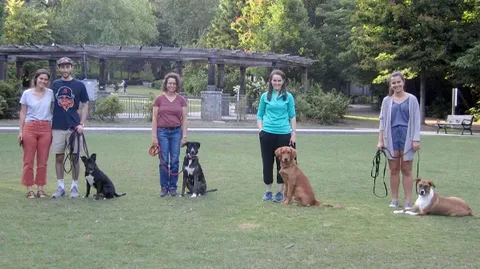
Dog training is one of the most important parts of raising a happy and well-behaved dog. Whether you live in Northampton or Geneva, proper training helps your dog become calm, friendly, and easy to manage. Many dog owners struggle with barking, jumping, chewing, pulling on the leash, or ignoring commands. The good news is that these problems can improve with patience, consistency, and the right training methods.
In this guide, you will learn everything about dog training in Northampton MA and Geneva, including common dog behavior problems, training solutions, puppy training tips, and how to choose the best dog trainer.
Why Dog Training Is Important
Dogs need guidance to understand how to behave at home and in public. Without training, dogs can become anxious, aggressive, or difficult to control. Good training builds trust between dogs and owners.
Benefits of dog training include:
- Better communication with your dog
- Improved safety indoors and outdoors
- Less stress for dog owners
- Better social behavior with people and pets
- Reduced barking and destructive behavior
- Stronger bond between owner and pet
Training also keeps dogs mentally active. Dogs enjoy learning new commands and tasks because it gives them confidence and purpose.
Common Dog Behavior Problems
Many dog owners in Northampton MA and Geneva face similar problems. Understanding the cause helps you solve them faster.
1. Excessive Barking
Dogs bark for many reasons such as fear, boredom, excitement, or attention-seeking.
Solution
- Give your dog regular exercise
- Avoid yelling because dogs may think you are barking too
- Reward quiet behavior
- Use simple commands like “quiet”
Consistent practice helps reduce unnecessary barking over time.
2. Pulling on the Leash
Walking becomes stressful when dogs pull hard during walks.
Solution
- Stop walking when the dog pulls
- Reward calm walking beside you
- Use positive reinforcement
- Practice short training walks daily
Leash training takes patience, but regular practice creates better habits.
3. Jumping on People
Dogs often jump because they are excited or seeking attention.
Solution
- Ignore jumping behavior
- Reward calm greetings
- Ask visitors to avoid encouraging jumping
- Teach commands like “sit”
Dogs learn quickly when calm behavior gets attention instead of jumping.
4. Chewing Furniture and Shoes
Puppies especially love chewing because of teething and curiosity.
Solution
- Provide safe chew toys
- Keep valuable items out of reach
- Redirect chewing to toys
- Praise good behavior
Chewing usually improves when dogs have enough mental and physical activity.
5. Separation Anxiety
Some dogs become nervous when left alone.
Signs Include
- Barking constantly
- Destroying items
- Scratching doors
- Indoor accidents
Solution
- Leave for short periods first
- Create a comfortable safe space
- Avoid emotional goodbyes
- Use puzzle toys to keep dogs busy
Slow training helps dogs feel secure when alone.
Puppy Training Basics
Puppy training should begin early. Young puppies learn faster and adapt more easily.
Potty Training
House training is often the first challenge for new dog owners.
Helpful Tips
- Take puppies outside regularly
- Follow a feeding schedule
- Reward outdoor bathroom behavior
- Watch for signs like sniffing or circling
Accidents happen, so patience is very important.
Crate Training
Crates help puppies feel secure and support house training.
Benefits of Crate Training
- Prevents destructive behavior
- Creates a safe resting area
- Helps during travel
- Supports bedtime routines
Never use the crate as punishment. Dogs should see it as a comfortable space.
Socialization
Dogs need positive experiences with people, pets, sounds, and environments.
Good socialization helps prevent fear and aggression later in life.
Socialization Ideas
- Walk in different areas
- Meet friendly dogs
- Introduce new sounds gradually
- Visit parks and pet-friendly places
Well-socialized dogs are usually calmer and more confident.
Best Training Methods for Dogs
Modern dog trainers often recommend positive reinforcement because it is safe and effective.
Positive Reinforcement Training
This method rewards good behavior with:
- Treats
- Praise
- Toys
- Affection
Dogs repeat behaviors that bring rewards.
Example
When your dog sits on command, immediately reward them. Over time, they learn that sitting leads to positive outcomes.
Avoid Harsh Punishment
Punishment can create fear and confusion. Dogs may become anxious or aggressive.
Instead of punishment:
- Redirect unwanted behavior
- Reward good choices
- Stay calm and consistent
Positive training builds trust and confidence.
Dog Training Services in Northampton MA
Northampton is known for its pet-friendly environment and active dog community. Many local dog owners enjoy walking trails, parks, and outdoor activities with their pets.
Dog training services in Northampton often include:
- Puppy training classes
- Obedience training
- Behavioral correction
- Leash training
- Private home sessions
- Group socialization classes
Many trainers focus on reward-based methods that improve communication between dogs and owners.
What to Look for in a Trainer
- Experience with different breeds
- Positive reviews
- Humane training methods
- Clear communication
- Patience and professionalism
A good trainer helps both the dog and owner succeed together.
Dog Training in Geneva
Geneva is another excellent place for dog owners. The city has beautiful parks and outdoor spaces where dogs can exercise and socialize.
Dog training in Geneva often focuses on:
- Urban obedience training
- Social behavior in public places
- Recall training
- Puppy education
- Agility and advanced skills
Since Geneva is a busy international city, many dog owners want dogs that behave calmly around crowds and distractions.

Tips for Successful Dog Training
Be Consistent
Use the same commands and rules every day. Mixed signals confuse dogs.
For example:
- Always use “sit” instead of changing words
- Keep household rules consistent
- Reward good behavior immediately
Consistency helps dogs learn faster.
Keep Sessions Short
Dogs learn better with short and fun training sessions.
Ideal Training Length
- Puppies: 5–10 minutes
- Adult dogs: 10–15 minutes
Several short sessions work better than one long session.
Exercise Your Dog
Dogs with too much energy often develop behavior problems.
Daily exercise can include:
- Walks
- Fetch games
- Running
- Puzzle toys
- Training games
A tired dog is usually calmer and easier to train.
Stay Patient
Every dog learns at a different speed. Some breeds learn quickly while others need more time.
Avoid frustration and celebrate small improvements.
Advanced Dog Training
Once dogs master basic commands, owners can move to advanced training.
Advanced Skills Include
- Off-leash walking
- Agility training
- Therapy dog preparation
- Advanced recall
- Trick training
Advanced training keeps dogs mentally stimulated and strengthens obedience.
Signs Your Dog Needs Professional Help
Some behaviors may require help from an experienced trainer.
Warning Signs
- Aggression toward people or pets
- Extreme fear
- Constant destructive behavior
- Severe anxiety
- Biting
- Uncontrollable barking
Professional trainers can create customized plans based on your dog’s needs.
Best Age to Start Dog Training
Training can begin as early as 8 weeks old. However, older dogs can still learn successfully.
The saying “you can’t teach an old dog new tricks” is not true. Adult dogs can improve with patience and proper guidance.
Healthy Habits That Support Training
Good health supports better behavior and learning.
Important Factors
- Healthy diet
- Regular vet visits
- Daily exercise
- Enough sleep
- Mental stimulation
Dogs that feel healthy and safe respond better to training.
FAQs About Dog Training Northampton MA and Geneva
How long does dog training take?
Basic training may take a few weeks, but complete behavior improvement can take several months depending on the dog and consistency.
Are group classes good for dogs?
Yes. Group classes help dogs learn social skills and practice commands around distractions.
Can aggressive dogs be trained?
Many aggressive behaviors can improve with professional help and proper behavior training.
Should I use treats for training?
Yes. Treats are effective rewards, especially during early training stages.
Is puppy training necessary?
Yes. Early training helps prevent future behavior problems and builds good habits.
What is the best dog training method?
Positive reinforcement is widely recommended because it encourages learning without fear.
Final Thoughts
Dog training in Northampton and Geneva helps dogs become happier, calmer, and easier to manage. Whether you are training a playful puppy or an older dog with behavior challenges, patience and consistency are the keys to success.
Every dog can learn with the right approach. Start with basic commands, reward good behavior, and focus on building trust. Proper training improves not only your dog’s behavior but also your relationship with your pet for many years to come.

World Dog Care offers simple dog care tips, healthy food guides, training advice, and trusted information for happy pets.
1 thought on “Dog training Northampton ma and Geneva”