
Training a puppy can feel exciting, but it can also be stressful for many dog owners. Some puppies do not listen, some lose focus quickly, and others become stubborn during training sessions. This is where puppy training treats become very helpful. Small and tasty treats can motivate your puppy and make learning easier, faster, and more enjoyable.
Using the right treats during training helps puppies understand good behavior. Whether you are teaching your puppy to sit, stay, come, or stop biting, training treats can improve results in a positive and gentle way.
In this guide, you will learn everything about puppy training treats, including their benefits, common mistakes, how to choose the best ones, and how they solve common puppy training problems.
What Are Puppy Training Treats?
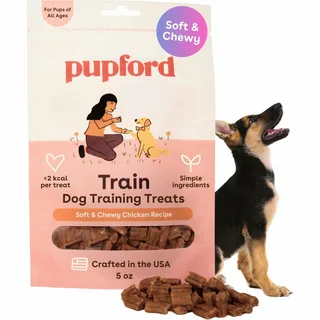
Puppy training treats are small snacks specially used as rewards during training sessions. These treats are usually soft, tiny, and easy to chew. They are designed to keep your puppy interested without making them too full.
Unlike regular dog treats, training treats are often lower in calories and made for repeated rewards. Since puppies learn through repetition, you may give many treats during one short training session.
The main goal is simple:
When your puppy does something good, you reward them immediately. This teaches them that good behavior brings positive results.
Why Puppy Training Treats Are Important
Many dog owners try to train puppies using only commands or punishment. This often creates fear, confusion, or slow learning. Positive reinforcement with treats is much more effective.
Benefits of Puppy Training Treats
- Helps puppies learn commands faster
- Builds trust between owner and puppy
- Makes training fun and enjoyable
- Keeps puppies focused during lessons
- Encourages good behavior naturally
- Reduces fear and anxiety
- Improves confidence in shy puppies
Puppies respond better when they feel rewarded instead of scared.
Common Puppy Training Problems and Solutions
1. Puppy Does Not Listen
Many puppies ignore commands because they get distracted easily. A tasty training treat grabs their attention quickly.
Solution:
Use high-value treats like soft chicken bites or peanut butter training snacks during important lessons.
2. Puppy Bites Hands and Furniture
Biting is normal during teething, but it can become a bad habit.
Solution:
Reward your puppy with treats when they chew toys instead of furniture or hands. This teaches acceptable behavior.
3. Potty Training Takes Too Long
Potty accidents frustrate many owners.
Solution:
Give a treat immediately after your puppy uses the correct potty spot. Puppies learn faster when rewards happen instantly.
4. Puppy Gets Distracted Outside
Outdoor training can be difficult because of sounds, people, and smells.
Solution:
Carry extra tasty treats during walks. Reward your puppy every time they focus on you instead of distractions.
5. Puppy Jumps on Guests
Jumping may look cute at first, but it becomes a problem later.
Solution:
Reward calm sitting behavior instead of jumping. Consistency is very important.
How to Choose the Best Puppy Training Treats
Not all treats are healthy or useful for training. Some are too big, too hard, or full of unhealthy ingredients.
Here are the most important things to consider.
Small Size
Tiny treats work best because puppies can eat them quickly without stopping the training session.
Soft Texture
Soft treats are easier for puppies to chew and swallow.
Healthy Ingredients
Look for treats with:
- Real meat
- Natural ingredients
- Low artificial colors
- Low sugar and salt
Low Calories
Training often requires many rewards. Low-calorie treats help prevent unhealthy weight gain.
Strong Smell
Dogs love treats with a rich smell because it attracts their attention faster.
Best Types of Puppy Training Treats
Soft Chewy Treats
These are the most popular training treats because puppies can eat them quickly.
Freeze-Dried Meat Treats
Natural meat treats are healthy and highly rewarding.
Homemade Puppy Treats
Many owners prefer homemade options using simple ingredients.
Popular homemade ideas:
- Small chicken pieces
- Boiled turkey
- Tiny carrot bites
- Pumpkin treats
Store-Bought Training Treats
Many pet brands make treats specially designed for puppies. Always read ingredient labels carefully.
Ingredients to Avoid in Puppy Treats
Some cheap treats contain unhealthy ingredients that may harm puppies.
Avoid treats with:
- Artificial preservatives
- Too much sugar
- Excess salt
- Unknown meat by-products
- Artificial colors
Healthy treats support both training and overall puppy health.
How Many Training Treats Should You Give?
Too many treats can cause weight gain or upset stomachs.
Helpful Tips:
- Keep treats very small
- Use short training sessions
- Balance treats with normal meals
- Avoid overfeeding
Most puppies do better with several short training sessions each day instead of one long session.
Best Time to Use Puppy Training Treats
Timing matters during training.
Always reward your puppy immediately after the correct behavior. Waiting too long may confuse them.
Good Times for Training:
- Before meals
- During walks
- Potty training
- Crate training
- Socialization sessions
Hungry puppies are often more motivated by treats.
Can Puppy Training Treats Replace Praise?
No. Treats work best when combined with praise and affection.
When your puppy behaves correctly:
- Give the treat
- Use happy words like “Good job!”
- Offer gentle affection
This creates stronger learning and emotional connection.
How Long Should Training Sessions Be?
Puppies have short attention spans.
Ideal Training Length:
- 5 to 10 minutes
- Several times daily
Short sessions prevent boredom and frustration.
Using Treats for Crate Training
Many puppies fear crates at first.
Simple Crate Training Method:
- Place treats inside the crate
- Let the puppy enter willingly
- Reward calm behavior inside
This helps puppies view the crate as a safe and positive place.
Using Treats for Socialization
Socialization is very important for puppies.
Reward calm behavior around:
- New people
- Other dogs
- Cars
- Loud sounds
- Children
Treats help reduce fear and build confidence.
Signs You Are Using Too Many Treats
Sometimes owners accidentally depend too much on treats.
Warning Signs:
- Puppy gains weight
- Puppy only listens when treats appear
- Digestive problems develop
To avoid this, slowly mix treats with praise and toys as your puppy improves.
How to Stop Treat Dependency
A common fear is that puppies will only obey when food is visible.
Easy Solution:
Gradually reduce treats over time.
For example:
- Reward every successful sit at first
- Later reward every second or third sit
- Continue verbal praise always
This helps puppies obey even without food rewards.
Homemade Puppy Training Treat Recipe
Here is a simple homemade training treat idea.
Ingredients:
- 1 cup oat flour
- 1 mashed banana
- 2 tablespoons peanut butter
Instructions:
- Mix ingredients
- Roll into tiny balls
- Bake for 10 minutes
- Cool before serving
These treats are simple, affordable, and puppy-friendly.
Mistakes to Avoid During Puppy Training
Using Large Treats
Big treats slow down training.
Giving Treats Too Late
Late rewards confuse puppies.
Overfeeding
Too many treats may cause health problems.
Punishing the Puppy
Positive reinforcement works better than fear-based training.
Training Too Long
Long sessions can overwhelm young puppies.
Are Grain-Free Treats Better?
Not always. Some puppies do well with grain-free treats, while others do not need them.
If your puppy has allergies or digestive issues, ask a veterinarian before changing diets.
Best Puppy Training Commands to Teach First
Training treats work especially well for beginner commands.
Start with:
- Sit
- Stay
- Come
- Down
- Leave it
- Drop it
These basic commands improve safety and behavior.
FAQs About Puppy Training Treats
What age can puppies start training treats?
Most puppies can begin simple training and small treats around 8 weeks old.
Can I use regular dog treats for puppies?
Some regular treats may be too hard or large. Puppy-specific treats are usually safer and easier to chew.
How many treats should a puppy have daily?
Treats should only make up a small part of your puppy’s daily calories. Moderation is important.
What are the healthiest puppy training treats?
Natural treats with real meat and limited ingredients are often the healthiest choice.
Can treats spoil puppy behavior?
No, when used correctly. Treats encourage learning and positive habits.
Are homemade puppy treats safe?
Yes, as long as you use dog-safe ingredients and avoid harmful foods like chocolate, onions, or grapes.
Why does my puppy ignore treats?
Your puppy may be distracted, full, stressed, or uninterested in the treat flavor. Try softer and smellier treats.
Final Thoughts
Puppy training treats are one of the easiest and most effective tools for teaching good behavior. They help puppies learn faster, stay motivated, and build trust with their owners. The key is choosing healthy treats, using them correctly, and combining them with praise and patience.
Every puppy learns at a different speed, so consistency matters most. With the right treats and positive training methods, your puppy can grow into a happy, confident, and well-behaved dog.

World Dog Care offers simple dog care tips, healthy food guides, training advice, and trusted information for happy pets.