

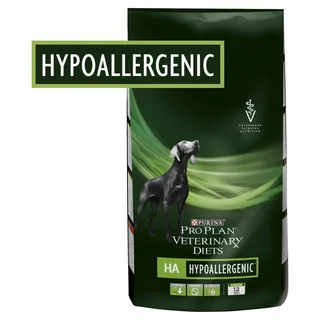
Does your dog scratch all day, chew its paws, or have red skin that never seems to heal? You are not alone. Many dog owners face this same problem, and most of the time, the answer is hiding in the food bowl. Switching to hypoallergenic dog food can calm your dog’s itchy skin, stop stomach upset, and bring back its shiny coat and happy mood — often within just a few weeks. This guide explains, in plain and simple words, what hypoallergenic dog food is, why your dog may need it, and how to pick the right one without wasting money or guessing.
What Does “Hypoallergenic Dog Food” Really Mean?
The word “hypoallergenic” simply means “less likely to cause an allergic reaction.” It does not mean allergy-proof, because no food can promise that for every dog. Hypoallergenic dog food is made with fewer ingredients, and those ingredients are chosen because they rarely trigger allergies. These foods often skip common problem items like beef, dairy, wheat, and soy. Instead, they use simple proteins and carbs that most dogs can handle easily.
Think of it like this: if regular food is a crowded room full of strangers, hypoallergenic food is a small, quiet room with only a few trusted guests. Fewer ingredients mean fewer chances for something to go wrong.
How Do You Know If Your Dog Has a Food Allergy?
Dogs can’t tell us in words, but their bodies send clear signals. Watch for these common signs:
- Constant itching or scratching, especially around the ears, paws, and belly
- Red or inflamed skin
- Hair loss in patches
- Ear infections that keep coming back
- Vomiting or loose stools
- Excessive licking of paws or private areas
- A dull, dry, or flaky coat
If your dog shows two or more of these signs regularly, food allergies could be the hidden cause. A visit to the vet is still the smartest first step, since skin issues can also come from fleas, mites, or environmental allergies. But if the vet rules those out, diet is usually the next thing to look at.
Why Do Dogs Develop Food Allergies in the First Place?
Food allergies happen when a dog’s immune system mistakes a harmless ingredient usually a protein for a threat. The body then overreacts, causing inflammation, itching, or digestive trouble. This is different from food intolerance, which is more like a sensitive stomach reacting badly to something, without involving the immune system. Both problems can be eased with the right diet, even though the cause is different.
Certain ingredients cause trouble more often than others. The most common culprits include:
- Beef
- Dairy products
- Chicken
- Wheat
- Soy
- Corn
- Eggs
This does not mean every dog is allergic to these foods. It simply means these ingredients are the usual suspects, so hypoallergenic recipes often avoid them or replace them with gentler options.

What Ingredients Should You Look For?
A good hypoallergenic dog food usually falls into one of two categories:
1. Limited Ingredient Diets (LID) These foods use a short ingredient list, often just one protein source and one carbohydrate source. Less variety means less risk of triggering a reaction. Common choices include duck, venison, rabbit, or salmon, paired with sweet potato, peas, or pumpkin.
2. Hydrolyzed Protein Diets In these foods, the protein is broken down into tiny pieces so small that the immune system can no longer recognize it as a threat. This type is often recommended by vets for dogs with severe or long-term allergies.
When reading a label, look for:
- A single, clearly named protein source (like “duck” rather than vague “meat by-products”)
- Easy-to-digest carbs such as sweet potato, oats, or peas
- Healthy fats like fish oil, which also help soothe irritated skin
- No artificial colors, flavors, or preservatives
Ingredients to Avoid
Just as important as what to add is what to leave out. Steer clear of foods containing:
- Fillers like corn syrup or artificial sweeteners
- Multiple protein sources mixed together, which make it harder to pinpoint triggers
- Artificial dyes, which offer no nutritional value and can irritate sensitive dogs
- Common allergens your dog has already reacted to in the past
How to Switch Your Dog to Hypoallergenic Food
Changing your dog’s diet suddenly can upset its stomach even more, so a slow transition works best. Here is a simple, safe plan:
Days 1–2: Mix 25% new food with 75% old food Days 3–4: Mix 50% new food with 50% old food Days 5–6: Mix 75% new food with 25% old food Day 7 onward: Serve 100% new food
During this time, keep a simple food diary. Write down what your dog eats and any changes you notice in its skin, coat, energy, or bathroom habits. This record helps you and your vet spot patterns quickly.
Many vets also recommend an “elimination diet” for dogs with unknown allergies. This means feeding only one protein and one carb source for about 8 to 12 weeks, then slowly reintroducing other foods one at a time to see which one causes a reaction. It takes patience, but it is one of the most reliable ways to find the true cause of your dog’s discomfort.
Choosing the Right Hypoallergenic Food for Your Dog’s Size and Age
Not every hypoallergenic food fits every dog. A growing puppy needs more calories and nutrients than a senior dog with a slower metabolism. Small breeds often need smaller kibble size and more calorie-dense meals, while large breeds need controlled calcium and phosphorus levels to support healthy joints. Always check that the food is labeled complete and balanced for your dog’s specific life stage, whether that’s puppy, adult, or senior.
Common Myths About Hypoallergenic Dog Food
Myth 1: Grain-free food is automatically hypoallergenic. Not true. Grains like wheat can be a problem for some dogs, but many dogs are actually allergic to proteins, not grains at all. Grain-free is not the same as allergy-friendly.
Myth 2: If it worked for one dog, it will work for mine. Every dog’s body is different. What helps your neighbor’s dog might do nothing for yours, since allergies depend on the individual immune system.
Myth 3: Hypoallergenic food is only for dogs with visible allergies. Some dogs have “hidden” sensitivities that show up only as low energy or occasional soft stools. A gentler diet can help even before symptoms become severe.
Final Thoughts
Watching your dog suffer from constant itching or stomach trouble is hard for any pet parent. The good news is that the solution is often simpler than it seems. By choosing a hypoallergenic dog food with limited, high-quality ingredients, avoiding common allergens, and transitioning slowly, you give your dog the best chance at a comfortable, itch-free life. Pair this with regular vet check-ins, and you’re not just feeding your dog — you’re helping it thrive.
Your dog trusts you to make the right choice at mealtime. With the right hypoallergenic food, that trust turns into wagging tails, healthy skin, and many more happy years together.

World Dog Care offers simple dog care tips, healthy food guides, training advice, and trusted information for happy pets.