
Introduction
Dogs are more than pets. They are loyal friends and loving family members. As a dog owner, one of the biggest responsibilities is making sure your furry friend eats safe and healthy food. Many people love sharing snacks with their dogs, but not all human food is safe for them.
A common mistake dog owners make is giving table scraps without knowing the risks. Some foods that are harmless to humans can be very dangerous for dogs. In some cases, even a small amount can cause serious health problems.
So, what food should you avoid giving your dog? This guide will help you understand dangerous foods, warning signs of poisoning, and safe alternatives to keep your dog healthy and happy.
Why Some Foods Are Harmful to Dogs
Dogs process food differently than humans. Their digestive system is not built to handle many ingredients found in everyday meals. Foods that taste normal to us may become toxic to dogs.
Some ingredients can damage organs, affect the nervous system, or cause stomach problems. Others may lead to long-term health issues like obesity, diabetes, or kidney damage.
Toxic Ingredients That Can Affect Dogs
Some harmful ingredients include:
- Artificial sweeteners like xylitol
- High salt and sugar content
- Toxic plant compounds
- Excess fats and oils
- Caffeine and alcohol
Even if your dog begs for food, it is important to know what is safe and what is not.
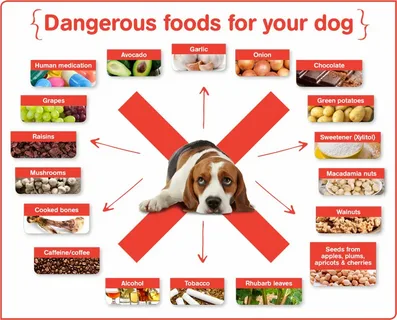
Foods You Should Never Give Your Dog
Chocolate
Chocolate is one of the most dangerous foods for dogs. It contains substances called theobromine and caffeine, which dogs cannot process properly.
Dark chocolate and baking chocolate are especially harmful because they contain higher levels of toxic compounds.
Symptoms of Chocolate Poisoning
If your dog eats chocolate, you may notice:
- Vomiting
- Diarrhea
- Fast heartbeat
- Restlessness
- Shaking or seizures
Solution: Contact your veterinarian immediately if your dog eats chocolate. Quick treatment can prevent serious problems.
Grapes and Raisins
Many dog owners do not know that grapes and raisins can be extremely dangerous. Even small amounts may lead to kidney failure in some dogs.
Warning Signs to Watch For
Symptoms include:
- Weakness
- Vomiting
- Loss of appetite
- Increased thirst
- Low energy
Solution: Never leave grapes or raisins where your dog can reach them.
Onions and Garlic
Onions and garlic may add flavor to meals, but they can damage your dog’s red blood cells. This can lead to anemia, which makes it hard for the body to carry oxygen.

Foods That May Secretly Contain Them
Be careful with:
- Pizza toppings
- Soups
- Sauces
- Fast food leftovers
Even onion or garlic powder can be harmful.
Solution: Always check ingredients before sharing food with your dog.
Xylitol (Artificial Sweetener)
Xylitol is a hidden danger for dogs. It is found in sugar-free gum, candy, peanut butter, toothpaste, and baked products.
This ingredient can quickly lower a dog’s blood sugar and may even cause liver failure.
Why It Can Be Life-Threatening
Symptoms may include:
- Vomiting
- Weakness
- Loss of coordination
- Seizures
Solution: Keep sugar-free products out of reach and always check peanut butter labels before feeding.
Alcohol and Caffeine
Dogs should never drink alcohol or consume caffeinated products like coffee, tea, or energy drinks.
These can affect the brain and nervous system, causing dangerous reactions.
Foods and Drinks to Avoid
- Coffee
- Tea
- Soda
- Energy drinks
- Alcoholic beverages
Solution: Keep drinks away from curious pets and clean spills immediately.
Avocado
Avocados contain a substance called persin, which may upset your dog’s stomach.
The large pit is also dangerous because it can cause choking or block the digestive system.
Safe Alternatives
Instead of avocado, try:
- Small apple slices (without seeds)
- Bananas
- Carrots
These are healthier snack options for dogs.
Cooked Bones
Many people think bones are good for dogs, but cooked bones can break into sharp pieces.
This may cause:
- Choking
- Mouth injuries
- Stomach damage
- Internal bleeding
Safer Chew Options
Choose dog-safe chew toys or vet-approved treats instead.
Raw Dough with Yeast
Raw bread dough is dangerous because it expands inside the stomach. It can also produce alcohol during fermentation.
Possible Serious Complications
- Bloating
- Severe stomach pain
- Breathing problems
Solution: Never allow dogs near baking ingredients.
Nuts (Especially Macadamia Nuts)
Some nuts are too fatty for dogs and may upset their stomach. Macadamia nuts are especially toxic.
Toxic Effects on Dogs
Symptoms include:
- Weakness
- Tremors
- Vomiting
- Fever
Solution: Keep nuts stored safely in closed containers.
Salty and Sugary Foods
Too much salt can lead to dehydration, while sugary snacks may cause obesity and dental problems.
Hidden Risks in Snacks
Avoid giving dogs:
- Chips
- Candy
- Cookies
- Ice cream
- Processed snacks
These foods may seem harmless but can affect your dog’s health over time.
Human Foods That Are Safe in Small Amounts
Not all human food is dangerous. Some foods can be safe when given in moderation.
Plain Cooked Chicken
A great source of protein without added spices.
Carrots and Apples
Healthy snacks packed with vitamins. Remove apple seeds before serving.
Rice and Pumpkin
Helpful for dogs with mild stomach issues.
Peanut Butter (Xylitol-Free)
Many dogs love peanut butter, but always choose products without xylitol.
Remember: treats should only make up a small part of your dog’s diet.
Signs Your Dog Ate Something Toxic
Sometimes dogs eat harmful food before owners notice. Knowing the warning signs can help save your pet’s life.
Watch for Symptoms Like:
- Vomiting or diarrhea
- Weakness or shaking
- Trouble breathing
- Loss of appetite
- Drooling
- Seizures
If symptoms appear suddenly, seek veterinary help immediately.
What to Do If Your Dog Eats Unsafe Food
Accidents happen, and dogs are naturally curious.
Stay Calm and Check Symptoms
Do not panic. First, try to figure out what your dog ate and how much.
Contact Your Veterinarian
Call your vet for advice, especially if the food is known to be toxic.
Avoid Home Remedies
Do not force vomiting or give medicines unless a veterinarian tells you to.
Quick action can make a big difference.
Tips to Keep Harmful Foods Away from Dogs
Preventing accidents is easier than treating illness.
Store Food Safely
Keep dangerous foods in closed cabinets or high shelves.
Train Your Dog Not to Beg
Teach commands like “leave it” and avoid feeding from the table.
Educate Family Members
Make sure children and visitors know which foods are unsafe for dogs.
Frequently Asked Questions (FAQs)
Can dogs eat cheese?
Yes, some dogs can eat small amounts of cheese. However, too much may upset the stomach, especially in lactose-sensitive dogs.
Is milk safe for dogs?
Small amounts may be okay, but many dogs struggle to digest milk.
What fruits are toxic to dogs?
Grapes and raisins are highly toxic. Avoid giving fruits with pits or seeds.
Can dogs eat bread or rice?
Plain bread and rice are generally safe in moderation.
What should I do if my dog eats chocolate?
Call your veterinarian immediately and watch for symptoms like vomiting or shaking.
Conclusion
Knowing what food you should avoid giving your dog can protect them from serious health problems. Dangerous foods like chocolate, grapes, onions, xylitol, and cooked bones should never be part of your dog’s diet.
Instead, choose safe treats like carrots, plain chicken, or pumpkin in small amounts. Always watch for warning signs if your dog accidentally eats something harmful.
A healthy dog starts with smart food choices. By learning what dogs should not eat, you can keep your furry friend safe, active, and happy for years to come.

World Dog Care offers simple dog care tips, healthy food guides, training advice, and trusted information for happy pets.