

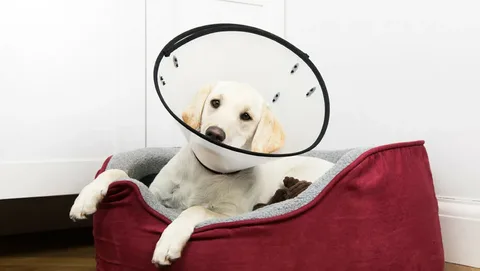
Neutering is a common and safe surgical procedure for dogs, but proper care after neutering a dog is extremely important for fast healing and long-term health. The days after surgery decide how smoothly your dog recovers. With the right care, love, and attention, your dog can return to normal life quickly and safely.
This detailed guide explains what to do, what to avoid, feeding tips, activity limits, wound care, and warning signs, all in simple words.
What Is Neutering and Why Aftercare Matters
Neutering is the surgical removal of a male dog’s testicles. It helps prevent unwanted puppies, reduces aggressive behavior, and lowers the risk of certain health problems.
After surgery, your dog’s body needs time to heal. Without proper aftercare, complications like infection, swelling, or delayed healing can occur. That’s why post-neutering care for dogs is just as important as the surgery itself.
First 24 Hours After Neutering a Dog
The first day is the most sensitive period.
What to Expect
- Sleepiness and low energy
- Mild pain or discomfort
- Poor appetite
- Slight swelling near the surgery area
These are normal effects of anesthesia.
What You Should Do
- Keep your dog in a quiet, warm, and clean place
- Let your dog rest fully
- Offer small amounts of water
- Do not force food
⚠️ Do not bathe your dog or let him lick the wound
How to Manage Pain After Neutering
Your vet may prescribe pain medication. Always follow the dosage exactly.
Important Tips
- Never give human painkillers
- Watch for signs of pain like whining, shaking, or restlessness
- Keep your dog calm to avoid strain on stitches
Proper pain control helps your dog heal faster and feel comfortable.
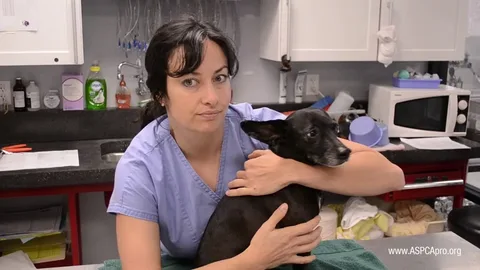
Caring for the Surgery Wound
Wound care is the most critical part of care after neutering a dog.
How the Incision Should Look
- Clean and dry
- Slight redness is normal
- No discharge or bad smell
What to Do
- Check the wound twice daily
- Keep it dry
- Use an Elizabethan collar (cone) to stop licking
- Follow vet instructions for cleaning (if advised)
What to Avoid
- No licking or chewing
- No water on stitches
- No creams unless prescribed
Preventing Licking and Scratching
Dogs naturally lick wounds, but this can cause infection.
Best Solutions
- Use a cone collar
- Soft recovery suits (if vet approved)
- Keep your dog supervised
Licking can open stitches and delay healing, so prevention is essential.
Activity Restrictions After Neutering
Limiting movement helps prevent internal bleeding and stitch damage.
First 7–10 Days
- No running
- No jumping
- No stairs
- Short leash walks only for bathroom needs
Safe Activities
- Calm indoor time
- Gentle affection
- Mental stimulation like chew toys (approved by vet)
Feeding After Neutering a Dog
Your dog’s appetite may be low for 24 hours.
Feeding Tips
- Offer small, light meals
- Use easily digestible food
- Fresh water should always be available
Long-Term Diet Changes
Neutered dogs may gain weight more easily.
- Reduce calorie intake slightly
- Choose high-quality dog food
- Avoid excessive treats
Proper nutrition supports recovery and future health.
How Long Does Recovery Take?
Most dogs recover within 10 to 14 days.
Healing Timeline
- Day 1–2: Sleepy, low energy
- Day 3–5: Appetite improves
- Day 7–10: Stitches healing
- Day 14: Most dogs return to normal
Always attend follow-up vet visits if scheduled.
Signs of Infection or Complications
Knowing warning signs builds trust and safety.
Contact Your Vet If You See:
- Excessive swelling
- Pus or discharge
- Bad odor from wound
- Continuous bleeding
- Fever
- Loss of appetite for more than 48 hours
- Extreme pain or crying
Early action prevents serious problems.
Emotional Care and Comfort
Dogs also need emotional support.
How to Help Emotionally
- Speak calmly
- Offer gentle petting
- Stay nearby
- Avoid loud noises
Your presence helps reduce stress and speeds healing.
Benefits of Proper Care After Neutering
Good aftercare provides:
- Faster healing
- Lower infection risk
- Reduced pain
- Better long-term health
- Happier, calmer dog
Responsible care reflects responsible pet ownership.
Expert Advice for Dog Owners (EEAT)
As experienced pet care professionals and dog health writers, we emphasize that every dog is different. Always follow your veterinarian’s advice, as they understand your dog’s specific health needs. This guide is based on veterinary best practices, real pet owner experiences, and trusted animal health standards.
Frequently Asked Questions
Can I leave my dog alone after neutering?
Only for short periods. Supervision is best for the first 48 hours.
When can my dog bathe?
Usually after stitches are removed or healed (10–14 days).
Is swelling normal?
Mild swelling is normal. Large or painful swelling is not.
Final Thoughts
Caring for your dog after neutering is not difficult, but it does require attention, patience, and love. By following proper care after neutering a dog, you ensure a smooth recovery and protect your dog’s long-term health.
A calm environment, clean wound care, limited activity, and proper feeding are the keys to success. When in doubt, always consult your veterinarian.

Welcome to Dog Care. I’m Ubaid ur Rehman, an SEO specialist with 3 years of experience,
helping websites grow through ethical strategies, high rankings, traffic, trust, and long-term results.