
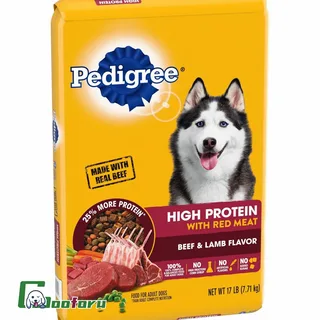
Dogs need the right balance of nutrients to stay active, healthy, and strong. Protein is one of the most important parts of a dog’s diet because it helps build muscles, repair tissues, support the immune system, and provide energy. High protein dog food has become very popular among pet owners who want better nutrition for their dogs.
But not every dog needs the same amount of protein. Choosing the right food depends on your dog’s age, breed, activity level, and health condition. In this guide, you will learn everything about high protein dog food, its benefits, possible risks, and how to select the best option for your furry friend.
What Is High Protein Dog Food?
High protein dog food contains more protein than regular dog food. Most standard dog foods contain around 18% to 25% protein, while high protein formulas usually contain 30% or more.
Protein in dog food often comes from:
- Chicken
- Beef
- Turkey
- Lamb
- Fish
- Eggs
- Duck
Some foods also include plant-based proteins like peas or lentils, but animal protein is generally easier for dogs to digest.
A good high protein dog food should use real meat as the first ingredient instead of fillers like corn or soy.
Why Protein Is Important for Dogs
Protein plays a major role in your dog’s overall health. It supports many important body functions.
Muscle Growth and Strength
Protein helps dogs build and maintain strong muscles. Active dogs, working dogs, and puppies especially need more protein for healthy growth.
Healthy Skin and Coat
A protein-rich diet can improve your dog’s skin and coat. Dogs often develop shinier fur and healthier skin after switching to quality protein sources.
Better Energy Levels
Dogs use protein for energy. High protein foods help active dogs stay energetic throughout the day.
Immune System Support
Protein contains amino acids that help support the immune system and overall body function.
Faster Recovery
Dogs recovering from illness, injury, or surgery may benefit from extra protein because it helps repair tissues faster.
Which Dogs Need High Protein Dog Food?
Not every dog has the same nutritional needs. Some dogs benefit more from high protein diets than others.
Active and Working Dogs
Dogs that run, train, hunt, or work daily need extra protein to maintain muscle strength and stamina.
Examples include:
- German Shepherds
- Border Collies
- Huskies
- Labrador Retrievers
Puppies
Growing puppies need more protein for muscle development and healthy growth.
Pregnant or Nursing Dogs
Female dogs that are pregnant or feeding puppies require more nutrients, including protein.
Senior Dogs
Some older dogs may benefit from high protein diets to maintain muscle mass, although the protein source should be easy to digest.
Underweight Dogs
Dogs that struggle to maintain weight may gain healthy muscle with high protein food.
Benefits of High Protein Dog Food
Choosing quality high protein food can offer several health benefits.
Improved Muscle Mass
Protein supports lean muscle growth and helps prevent muscle loss.
Longer Fullness
Protein keeps dogs feeling full longer, which may reduce overeating.
Better Weight Management
Many high protein foods contain fewer unhealthy fillers and more nutritious ingredients.
Stronger Bones and Joints
Protein works together with minerals and vitamins to support strong bones and joints.
Better Digestion
Quality dog foods with natural ingredients may improve digestion and reduce stomach issues.
Signs Your Dog May Need More Protein
Some dogs may show signs that their current diet lacks enough protein.
Watch for:
- Low energy
- Muscle loss
- Dull coat
- Dry skin
- Slow recovery after exercise
- Weakness
- Poor growth in puppies
If you notice these symptoms, consult a veterinarian before changing your dog’s diet.
Best Protein Sources in Dog Food
Not all protein sources are equal. High-quality animal proteins are usually the best option.
Chicken
Chicken is lean, easy to digest, and rich in amino acids.
Fish
Fish provides protein along with healthy omega-3 fatty acids that support skin and brain health.
Beef
Beef contains iron, zinc, and essential nutrients for muscle development.
Turkey
Turkey is a lean protein source suitable for sensitive stomachs.
Eggs
Eggs are highly digestible and packed with nutrients.
Ingredients to Avoid in High Protein Dog Food
Some dog foods claim to be high protein but contain unhealthy fillers or artificial ingredients.
Avoid foods with:
- Artificial preservatives
- Artificial colors
- Excessive corn
- Soy fillers
- Meat by-products
- Too much sugar or salt
Always read the ingredient label carefully.
Wet vs Dry High Protein Dog Food
Both wet and dry food can provide high protein nutrition.
Dry Dog Food
Benefits:
- Easy to store
- Helps clean teeth
- Usually more affordable
Wet Dog Food
Benefits:
- Higher moisture content
- Easier to chew
- More appealing taste for picky eaters
Some pet owners combine both for balanced nutrition.
Grain-Free vs High Protein Dog Food
Many people think grain-free and high protein mean the same thing, but they are different.
High protein food focuses on protein content, while grain-free food removes grains like wheat or corn.
Some dogs do well with grains, while others may have sensitivities. Always choose food based on your dog’s needs rather than trends.
Can High Protein Dog Food Be Harmful?
High protein diets are safe for most healthy dogs, but too much protein may not be suitable for every dog.
Dogs with certain kidney or liver conditions may require controlled protein intake.
Possible problems include:
- Weight gain if overfed
- Digestive upset
- Excess calorie intake
Always transition slowly when changing dog food.

How to Switch to High Protein Dog Food
Changing your dog’s diet too quickly may cause stomach problems.
Follow this simple process:
| Day | Old Food | New Food |
| 1-2 | 75% | 25% |
| 3-4 | 50% | 50% |
| 5-6 | 25% | 75% |
| 7 | 0% | 100% |
This gradual transition helps your dog adjust comfortably.
Homemade High Protein Dog Food
Some owners prefer homemade meals for better ingredient control.
Healthy protein-rich foods include:
- Cooked chicken
- Lean beef
- Eggs
- Salmon
- Turkey
However, homemade diets must remain balanced with vitamins and minerals. Speak with a veterinarian before feeding homemade meals regularly.
Tips for Choosing the Best High Protein Dog Food
Here are some helpful tips before buying dog food.
Check the First Ingredient
Real meat should appear first on the ingredient list.
Look for Named Protein Sources
Choose foods that clearly mention chicken, beef, or fish instead of vague terms like “meat meal.”
Read Nutritional Labels
Compare protein percentages carefully.
Choose Trusted Brands
Reliable brands often perform safety testing and use quality ingredients.
Consider Your Dog’s Age
Puppies, adults, and senior dogs have different nutritional needs.
Common Mistakes Dog Owners Make
Many owners accidentally choose the wrong food because of marketing claims.
Avoid these mistakes:
- Ignoring ingredient labels
- Switching food too quickly
- Overfeeding
- Choosing food only based on price
- Assuming all high protein foods are healthy
Quality matters more than advertising.
How Much Protein Does a Dog Need?
Protein needs vary depending on size and activity.
General guidelines:
- Adult dogs: 18% to 25%
- Active dogs: 25% to 35%
- Puppies: 22% to 32%
Always follow feeding instructions and consult your veterinarian for personalized advice.
Final Thoughts
High protein dog food can support strong muscles, healthy energy levels, better skin, and overall wellness. Choosing the right food requires careful attention to ingredients, protein sources, and your dog’s specific needs.
The best high protein dog foods use real animal protein, avoid harmful fillers, and provide balanced nutrition. Whether you choose dry food, wet food, or homemade meals, always focus on quality and gradual diet changes.
A healthy diet plays a major role in helping your dog live a happy and active life.
FAQs About High Protein Dog Food
Is high protein dog food good for all dogs?
Most healthy dogs can benefit from quality protein, but dogs with kidney or liver problems may need special diets.
Can puppies eat high protein dog food?
Yes, puppies need more protein to support healthy growth and development.
Does high protein dog food help with weight loss?
It may help some dogs feel full longer and maintain lean muscle, but portion control is still important.
What is the best protein source for dogs?
Chicken, fish, turkey, eggs, and beef are excellent protein sources for most dogs.
Can high protein food cause diarrhea?
Sudden food changes or poor-quality ingredients may cause digestive upset. Transition slowly to avoid problems.
Is grain-free food better than high protein food?
Not always. Some dogs tolerate grains very well. High protein and grain-free are different dietary features.
How do I know if my dog food contains quality protein?
Look for real meat listed as the first ingredient and avoid vague meat by-products.
Can senior dogs eat high protein diets?
Many senior dogs benefit from quality protein to maintain muscle mass, but consult a veterinarian for proper guidance.

World Dog Care offers simple dog care tips, healthy food guides, training advice, and trusted information for happy pets.