

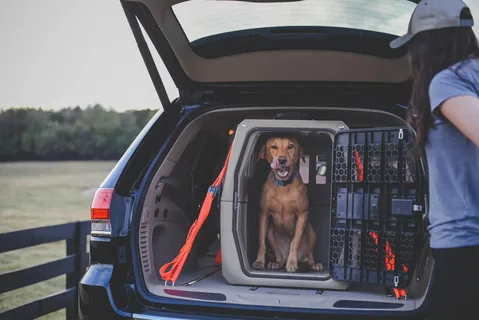
Traveling with a puppy can be exciting, but it also comes with real challenges. Many new pet owners struggle with keeping their puppy safe, calm, and comfortable during car rides. A puppy travel crate for the car is one of the best solutions to these problems. It not only protects your puppy but also gives you peace of mind while driving.
In this complete guide, you’ll learn everything about choosing the right travel crate, common problems owners face, and practical solutions to make every trip smooth and safe.
Why You Need a Puppy Travel Crate for Car
Taking a puppy in the car without proper restraint is risky. Puppies are naturally curious and energetic. They may jump around, distract the driver, or even get injured during sudden stops.
A travel crate helps to:
- Keep your puppy secure in one place
- Prevent distractions while driving
- Reduce anxiety by creating a safe space
- Protect your puppy during accidents or sudden braking
Think of it like a seatbelt for your dog it’s not optional, it’s essential.
Common Problems Dog Owners Face
1. Puppy Anxiety During Car Travel
Many puppies feel scared during their first few car rides. They may whine, bark, or even panic.
Solution:
A travel crate creates a den-like environment where your puppy feels protected. Adding a soft blanket or a toy can make it even more comforting.
2. Motion Sickness
Just like humans, puppies can experience motion sickness, especially during early travel experiences.
Solution:
- Use a well-ventilated crate
- Avoid feeding right before travel
- Keep the crate stable and secure
3. Safety Concerns
Unrestrained puppies can get injured during sudden stops or accidents.
Solution:
A sturdy crate designed for car travel reduces the risk of injury and keeps your puppy in a fixed position.
4. Mess in the Car
Accidents happen, especially with young puppies who are not fully house-trained.
Solution:
Use a crate with a removable tray or waterproof lining. This makes cleaning quick and easy.
5. Distracted Driving
A loose puppy jumping onto your lap or moving around the car can be dangerous.
Solution:
A travel crate keeps your puppy contained so you can focus on driving safely.
Key Features to Look for in a Puppy Travel Crate
Choosing the right crate is important. Not all crates are suitable for car travel.
1. Proper Size
The crate should be large enough for your puppy to:
- Stand
- Turn around
- Lie down comfortably
But it should not be too big, as extra space can make your puppy slide during travel.
2. Strong and Durable Material
Look for crates made from:
- Hard plastic
- Reinforced fabric with metal frames
Durability ensures safety during long trips or sudden movements.
3. Good Ventilation
Airflow is crucial. A crate with mesh panels or ventilation holes keeps your puppy cool and relaxed.
4. Easy to Clean
Puppies can be messy. Choose a crate with:
- Removable trays
- Washable covers
This saves time and effort.
5. Secure Locking System
The door should have a strong latch to prevent escape during travel.
6. Portability
Lightweight crates with handles or foldable designs are easier to carry and store.

Types of Puppy Travel Crates
1. Hard-Sided Crates
- Best for safety and durability
- Ideal for long-distance travel
2. Soft-Sided Crates
- Lightweight and easy to carry
- Suitable for short trips
3. Wire Crates (Not Ideal for Cars)
- Better for home use
- Less safe for travel due to lack of impact protection
How to Choose the Right Crate for Your Puppy
Choosing the perfect crate depends on your needs and your puppy’s behavior.
Consider Your Puppy’s Size and Breed
A growing puppy needs a crate that allows comfort but still feels secure.
Think About Travel Frequency
- Daily travel → lightweight crate
- Long trips → durable hard-sided crate
Check Your Car Size
Make sure the crate fits properly in your car without blocking visibility or movement.
How to Introduce Your Puppy to a Travel Crate
Many puppies resist crates at first. Proper training makes a big difference.
Step-by-Step Training
- Introduce the crate at home
Let your puppy explore it freely. - Add comfort items
Use toys, blankets, or treats. - Start with short sessions
Keep the crate door open initially. - Practice in the car (engine off)
Help your puppy get used to the environment. - Take short trips first
Gradually increase travel time.
Tips for Safe Car Travel with a Puppy
- Always secure the crate with a seatbelt
- Place the crate in the back seat or cargo area
- Avoid front seat placement (airbags can be dangerous)
- Keep water available for long trips
- Take breaks every 2–3 hours
Mistakes to Avoid
- Choosing a crate that is too big
- Forcing your puppy into the crate
- Skipping crate training
- Leaving your puppy unattended in the car
- Ignoring signs of stress or discomfort
Benefits of Using a Travel Crate
A puppy travel crate is not just about safety it improves the overall travel experience.
- Reduces anxiety
- Improves behavior during travel
- Keeps your car clean
- Helps build routine and discipline
- Makes long trips easier
Puppy Travel Crate Checklist
Before every trip, make sure you have:
- Travel crate (proper size)
- Blanket or bedding
- Favorite toy
- Water and bowl
- Cleaning supplies
- Puppy pads (for long trips)
High-Quality FAQs
1. What size travel crate is best for a puppy?
The crate should be big enough for your puppy to stand, turn around, and lie down comfortably, but not too large to cause sliding.
2. Can I keep my puppy in a crate during long car trips?
Yes, but you should take breaks every 2–3 hours for water, bathroom, and stretching.
3. Are soft crates safe for car travel?
Soft crates are safe for short trips, but hard-sided crates offer better protection for long journeys.
4. How do I stop my puppy from crying in the crate?
Make the crate comfortable, use familiar items, and gradually train your puppy to get used to it.
5. Should I cover the crate during travel?
Partially covering the crate can help reduce anxiety, but ensure proper airflow at all times.
6. Is it safe to put a puppy crate in the front seat?
No, it is safer to place the crate in the back seat or cargo area to avoid injury from airbags.
7. How can I prevent motion sickness in my puppy?
Avoid feeding right before travel, keep the crate stable, and ensure good ventilation.
8. Do puppies need a crate for short car rides?
Yes, even short rides can be risky without proper restraint. A crate ensures safety at all times.
Final Thoughts
A puppy travel crate for car is not just a convenience it’s a necessity for responsible pet owners. It solves common travel problems like anxiety, safety risks, and distractions while making the journey more comfortable for your puppy.
By choosing the right crate and training your puppy properly, you can turn stressful car rides into calm and enjoyable experiences. Whether you’re heading to the vet or planning a long trip, a travel crate ensures your puppy stays safe, secure, and happy every mile of the way.

World Dog Care offers simple dog care tips, healthy food guides, training advice, and trusted information for happy pets.